
Editor’s Note:
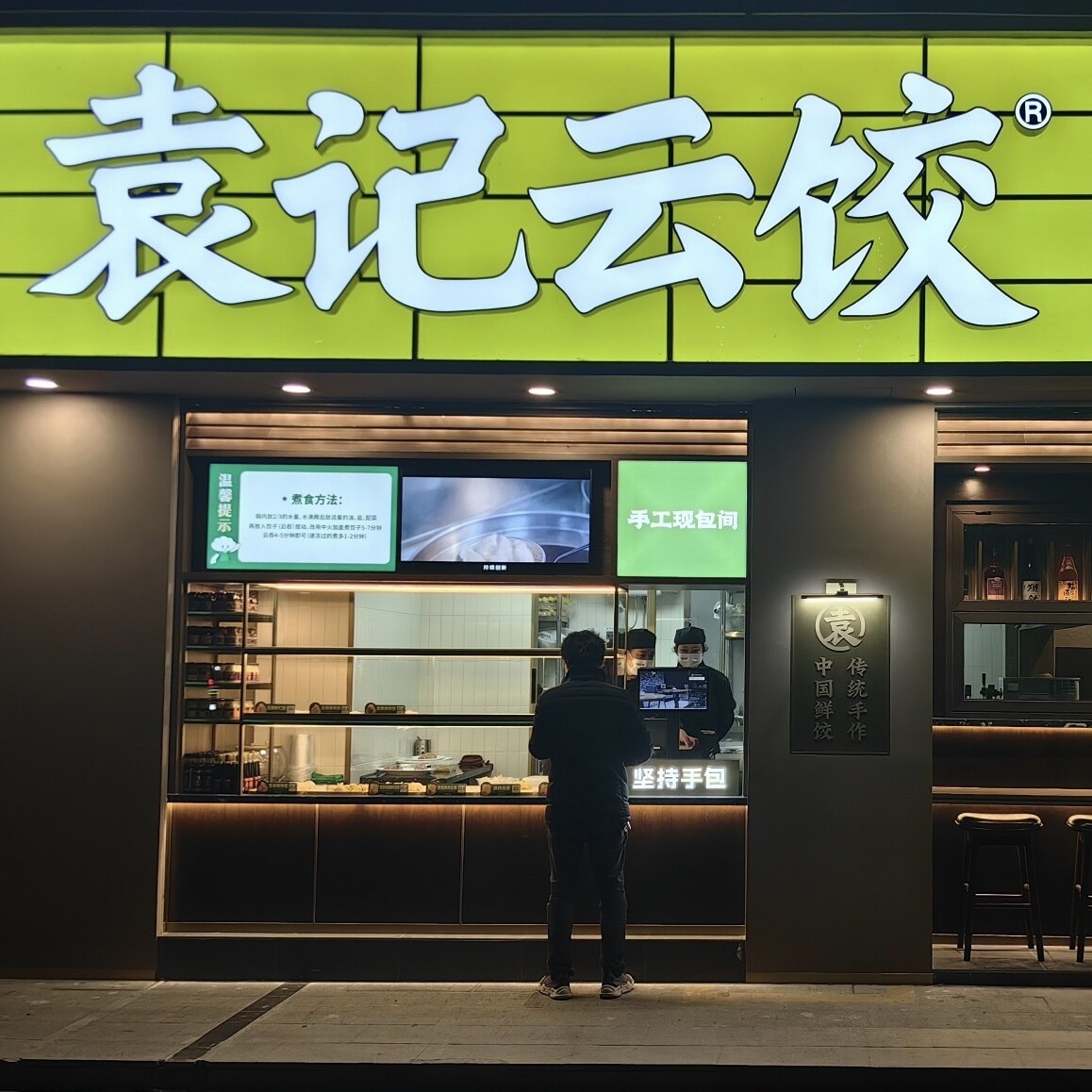
On January 12, 2026, Yuanji Food Group, the parent company of leading fresh dumpling chain Yuanji Food, submitted its listing application to the Hong Kong Stock Exchange.
Seven years ago, BA Capital began closely following and conducting in-depth research on Yuanji Food, while maintaining long-term engagement with the founding team. In 2023, BA Capital became Yuanji Food’s first investor and continued to increase its investment thereafter, accompanying the company as it grew into the Chinese quick-service restaurant brand with the largest number of stores globally.
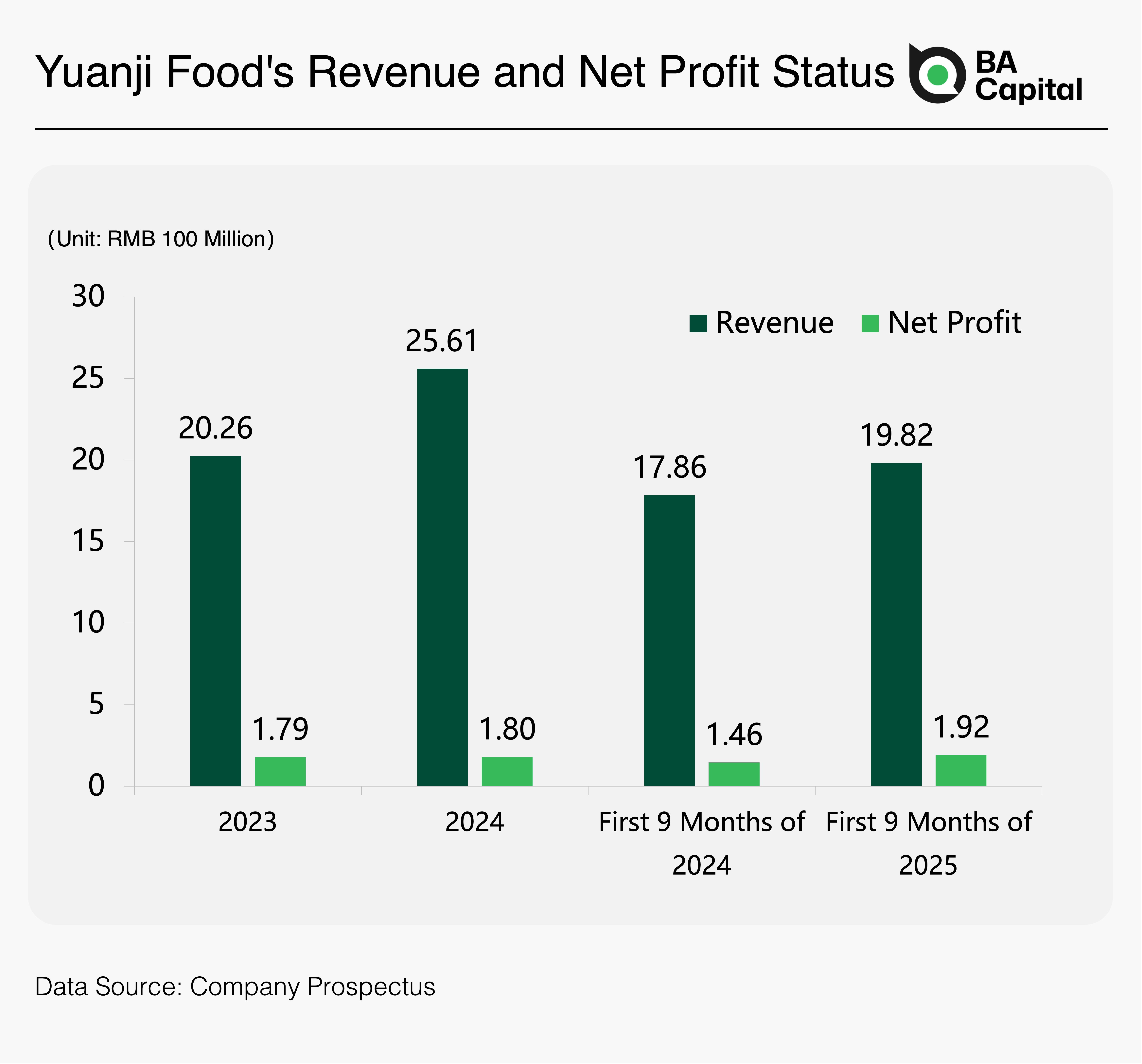
As of September 30, 2025, Yuanji Food operated a total of 4,266 stores, covering more than 200 cities across mainland China as well as overseas markets including Singapore and Thailand. In the first nine months of 2025, the company recorded operating revenue of RMB 1.982 billion, representing a year-on-year increase of 11%, while adjusted net profit reached RMB 192 million, up 31% year on year.
According to a report by China Insights Consultancy (CIC), as of September 30, 2025, measured by number of stores, Yuanji Food is the largest Chinese quick-service restaurant company in China and globally. As of the same date, measured by gross merchandise value (GMV) of dumpling and wonton products across the retail and foodservice sectors, Yuanji Food is also the largest dumpling and wonton company in China.
The following content reflects our thinking behind the investment in Yuanji Food Group.
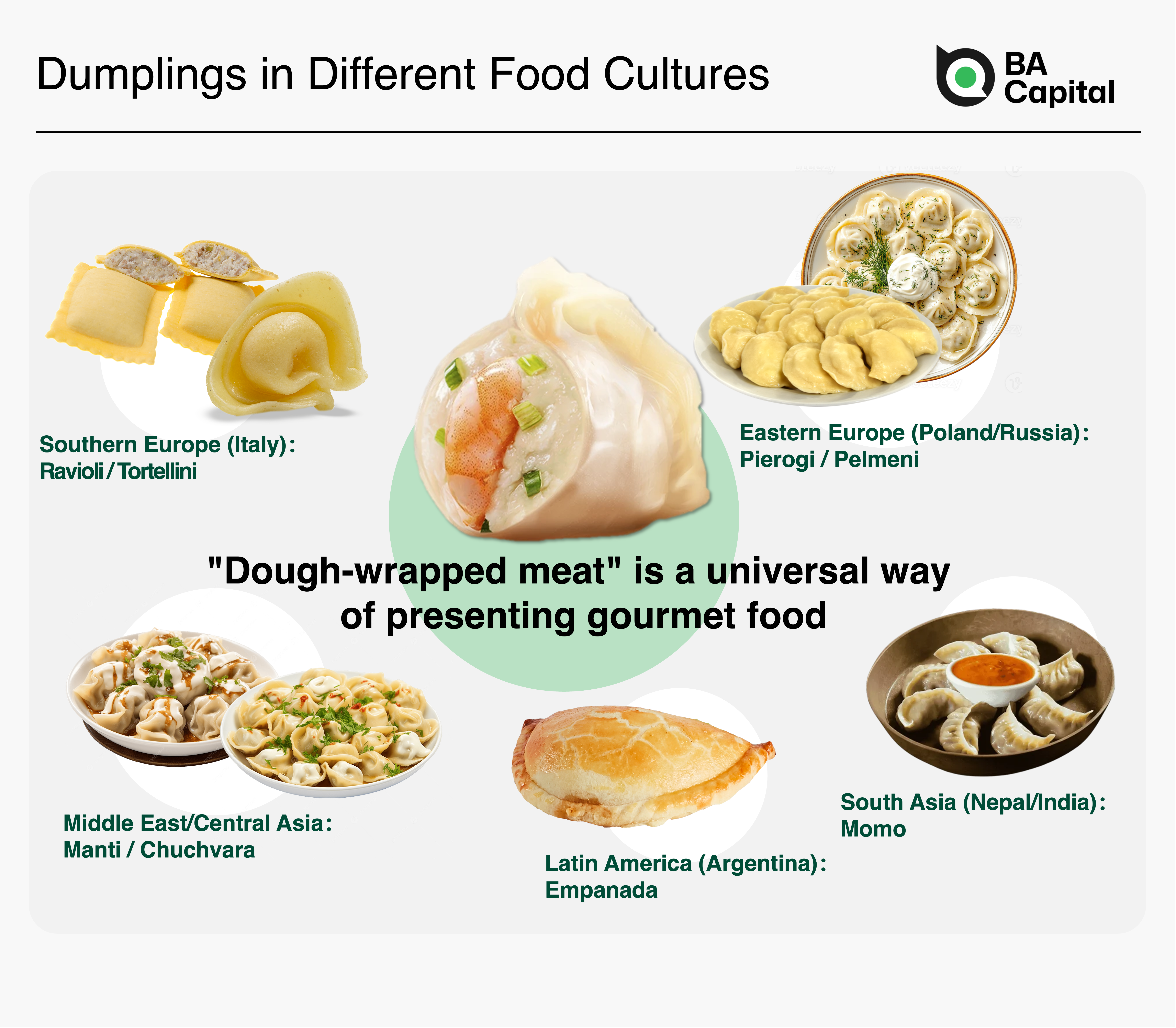
Dumplings—in their diverse forms across global food culture—represent precisely such a category with universal appeal and analogous potential. This category carries broad consumer recognition and taste acceptance, providing fertile ground for brand scaling.
BA Capital:
Domestically, we work closely with the founding team to explore innovative integrated store models that combine fresh preparation and ready-to-serve offerings. In the course of global expansion, we facilitate the integration of critical supply chain resources and coordinate partnerships with local operators, systematically supporting Yuanji Food's international market exploration.
Yuanji Food's model has proven successful internationally, demonstrating compelling unit-level profitability potential. The company's international expansion opens a second growth curve that enhances risk resilience.
Through mature supply chain system and a validated scalability model, Yuanji Food is steadily achieving the expansion of China’s traditional dumpling culture into global mass markets.
Global Expansion Potential: Chinese Innovation in a Globalizable Category
Globally, there are relatively few foodservice categories that combine broad taste universality with the potential for industrial-scale expansion. Dumplings—and, more broadly, the “dough-wrapped filling” food form—are one such category. This forms the foundational basis enabling Yuanji Food to transcend geographic boundaries and build a brand oriented toward global markets.
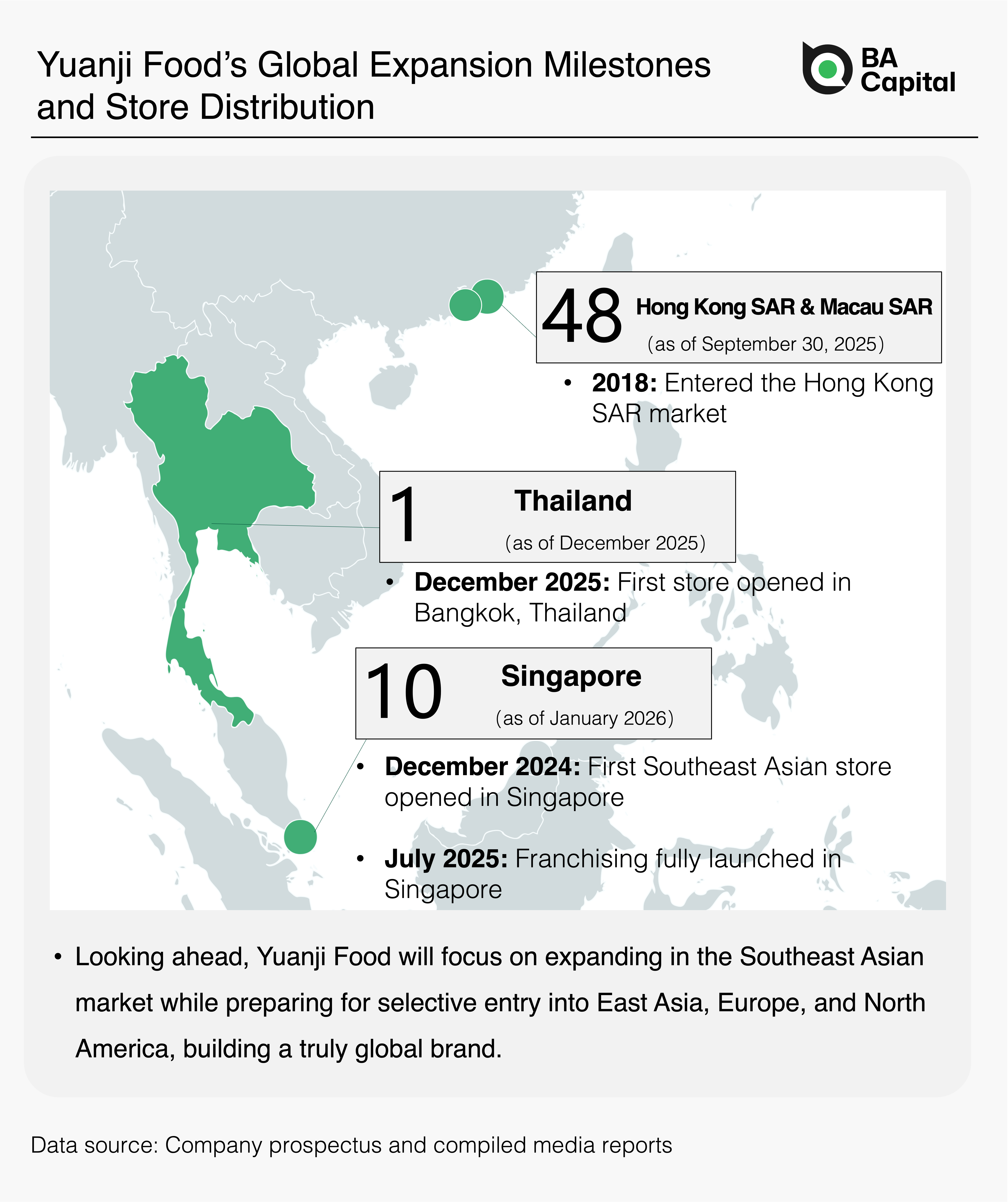
In 2018, Yuanji Food entered the Hong Kong SAR market; and in 2024, it formally launched its oversea expansion strategy. Based on publicly reported data as of January 12, 2026, Yuanji Food operates 50+ locations across Hong Kong SAR and overseas markets, including 40+ in Hong Kong SAR, 10 in Singapore, and its first location in Thailand.
According to disclosures in its prospectus, Yuanji Food's globalization strategy aims not for dispersed coverage, but rather for a cohesive business footprint. Going forward, the company plans to use this regional base to focus on Southeast Asia, while selectively preparing to enter East Asia, Europe, and North America, with the objective of building a truly global brand.
Moreover, each new city entry will adhere to a carefully designed playbook: store formats tailored to local commercial districts, pricing strategies aligned with local purchasing power, and menu design adapted to regional taste preferences, while consistently upholding the core principle of “hand-packed and freshly cooked” offerings.
- Category Foundation: Dumplings as "Universal Culinary Language"
Dumplings benefit from a broad consumer recognition and diverse regional variations. Within the narrower context of Chinese cuisine, dumplings represent a high-frequency, everday staple. When understood as the more universal dietary expression of "dough wrapping a filling," dumplings possess numerous global equivalents—from Italian ravioli and Polish pierogi to Latin American empanadas.
This pre-existing global category intelligence significantly lowers the barriers to entry and reduces market education costs during international expansion.
- A Defined Path for Standardization and Supply Chain Excellence
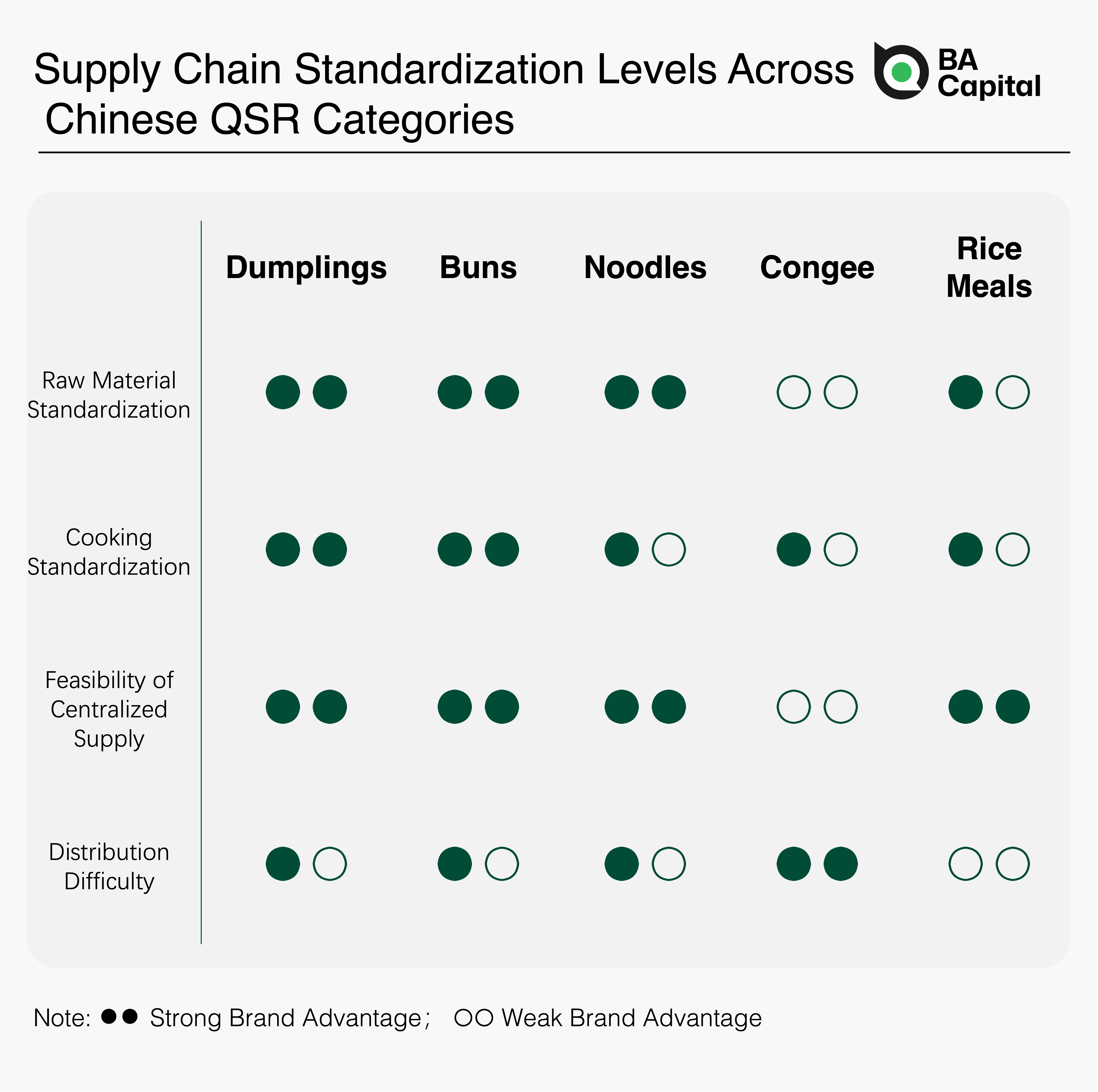
The core competitiveness of dumplings lies in their fillings and wrappers. The upstream raw materials are highly concentrated, making large-scale standardized production and cold-chain distribution technically feasible. The primary cooking methods—boiling and steaming—are highly simplified, almost entirely removing reliance on individual chef skills. This naturally suits standardized chain operations and provides a scalable foundation for global replication.
- Market Opportunity: Global Supply Deficit and Structural White Space
Despite broad global demand, the dumpling category faces significant supply gap in key markets such as North America and Southeast Asia.
Chinese quick-service restaurants (CQSRs) offer dishes including dumplings, wontons, rice, noodles, rice noodles, and buns. Globally, China remains the dominant CQSR market, commanding over 71.6% of total demand.
In overseas markets, North America is the largest, reaching RMB 228.3 billion in 2024, fueled by a large consumer base and growing popularity of Chinese cuisine. Southeast Asia shows the fastest growth, with a CAGR of 17.7% (2020-2024) projected to remain strong at 14.4% (2024-2030), driven by urbanization, increased dining-out, and greater familiarity with Chinese food.
However, the supply side exhibits a "quality-to-price" gap. Overseas offerings are polarized: high-end, handcrafted restaurants like Din Tai Fung on one end, and supermarket frozen products or scattered independents on the other. The middle ground—chains delivering freshly-prepared, reliably tasty food at mass-market prices—remains largely untapped. This white space defines clear positioning and pricing power for Yuanji Food.
In Singapore, Yuanji Food's core commercial district and shopping mall locations are priced at SGD 7.8 (approx. USD 6), comparable to McDonald's Singapore pricing. By contrast, Din Tai Fung prices range from SGD 9–10 (approx. USD 7-7.8).
- Yuanji Food's Approach: Systematic Output of Chinese Supply Chain and Business Model
Yuanji Food's international expansion is not merely about replicating stores, but about adatping its domestically-proven "supply chain plus standardization" system across geographies.
The Yuanji Food model is built on an industry-leading, fully integrated "source-to-store" supply chain. Through efficient cold-chain logistics, the company integrates procurement and production, ensuring scaled, stable, and high-quality raw material supply. By controlling this end-to-end pathway, Yuanji Food mitigates inventory risk and provides stores with reliable operational foundations supporting continuous output and rapid growth.
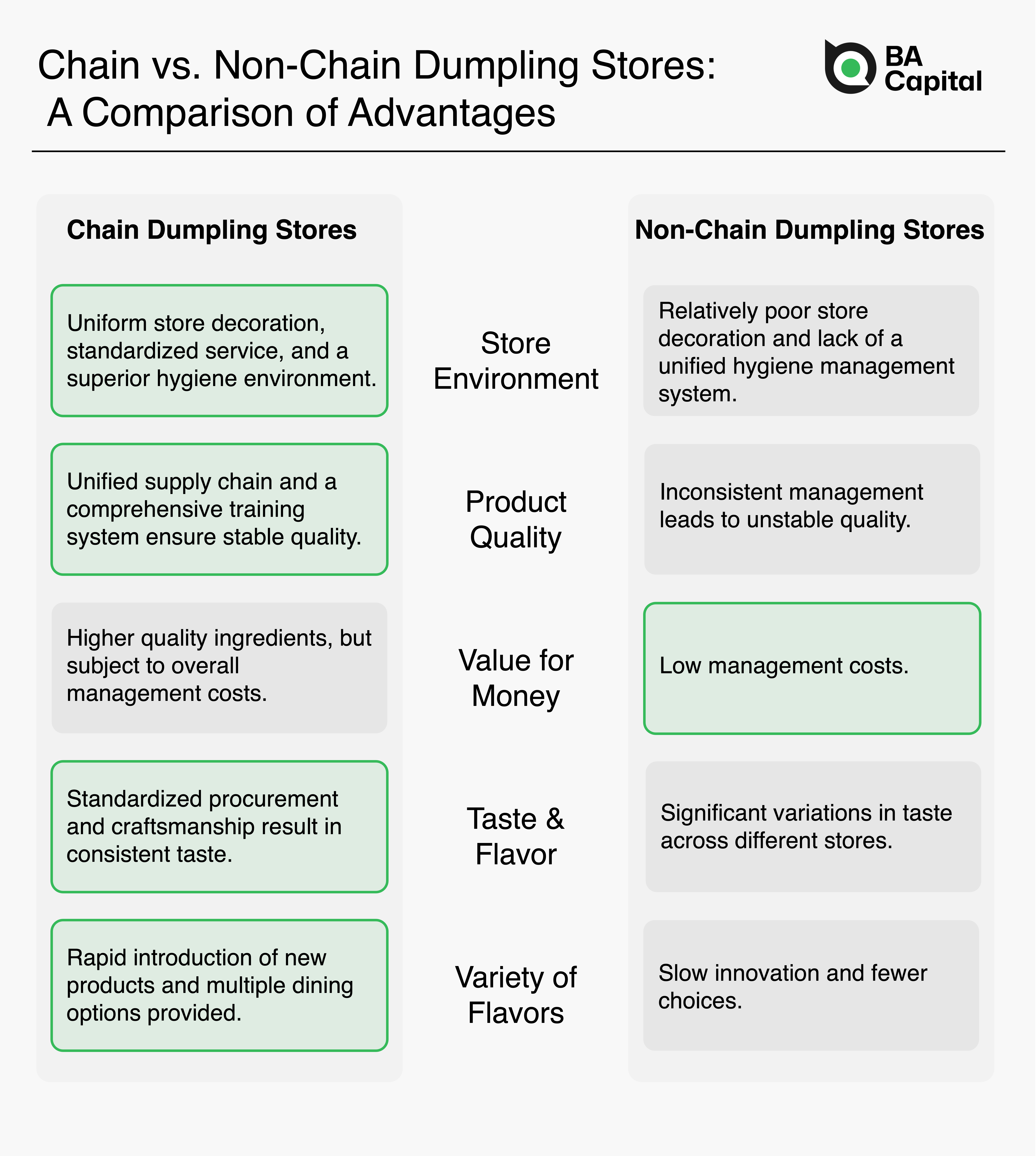
According to consumer research by China Insights Consultancy (CIC), Yuanji Yunjiao's taste profile and products resonate strongly with customers, positioning the brand as the most value-for-money Chinese quick-service option. "Hand-packed," "affordable pricing," and "great taste" emerge as the three primary reasons for consumer selection. Nearly 50% of surveyed consumers cite "hand-packed preparation" as the primary factor driving selection of Yuanji Food.
Community Penetration: Structural Opportunity in Store Expansion
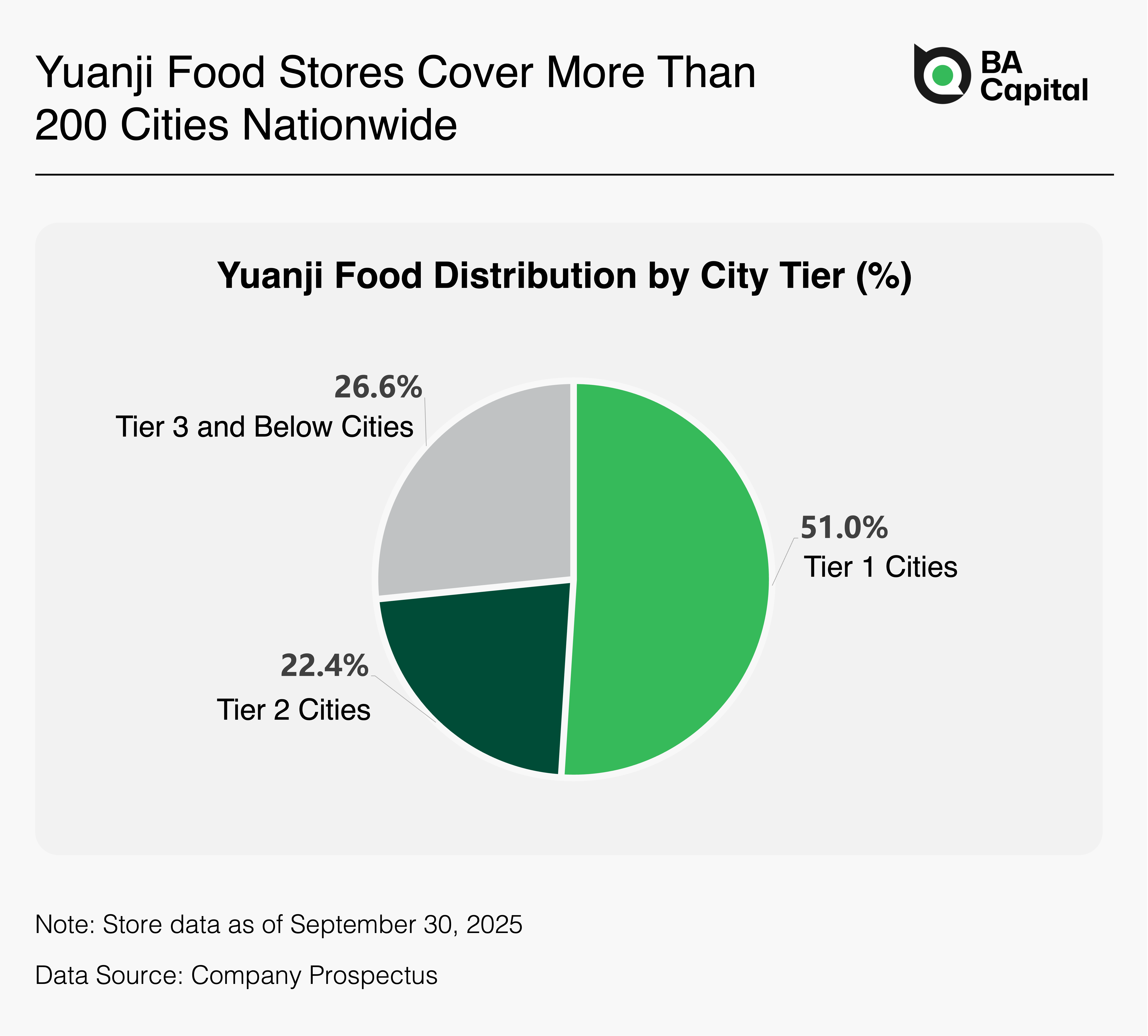
Yuanji Food's domestic network of over 4,000 stores spans 32 provinces and more than 200 cities across Mainland China, achieving multi-tier coverage from first-tier to third-and-below-tier cities.
Data analysis reveals two primary trends in Yuanji Food's store expansion. First, the proportion of stores in lower-tier cities with substantial growth potential continues rising with accelerated site expansion. Second, nationwide expansion structure continuously optimizes, with exponential growth in new store additions within northern traditional noodle-food markets.
In terms of specific distribution, as of September 30, 2025, Yuanji Food operates 2,150 stores in first-tier cities (51% of total), 942 in second-tier cities (22.4%), and 1,121 in third-and-below-tier cities (26.6%).
Additionally, another defining characteristic of Yuanji Food's store distribution is pronounced community orientation. Over 70% of stores occupy community-based locations, with a proportionally higher concentration in first-tier cities.
This positioning not only defines brand perception as "neighborhood convenience dining" option, but also serves as the structural competitive advantage, enabling Yuanji’s store count to surpass the combined total of the second to tenth largest players in the industry.
The success of this approach is rooted in the systematic alignment of demand, supply, and brand value.
- Demand: Community Ecosystem and Structural Opportunity Convergence
The success of the community strategy is first anchored in Yuanji Food’s deep understanding of end-consumer demand and precise satisfaction thereof, manifesting across two dimensions:
Dumpling category attributes and natural community fit. Dumplings carry distinct "household" and "daily" attributes in Chinese food culture, with consumption scenarios combining convenience and emotional connection.
Yuanji Food's commitment to "hand-packed, fresh-cooked" offerings perfectly aligns with community consumers' composite demand for freshness, cooking convenience, and household dining atmosphere, embedding traditional handcraft sensibilities within modern operational efficiency and creating marked differentiation from standardized quick-service competitors.
Structural dividends from societal transition. Decades of sustained Chinese urbanization—particularly density increases in megacities and universally accelerated living pace—has catalyzed enormous demand for "immediate dining solutions within residential proximity."
At the same time, household miniaturization trends increase household food-purchase frequency, while rapidly advancing aging demographics create increasingly rigid demand for proximate, reliable, accessible daily dining services.
In 2012, Yuanji Food opened its first location in a traditional market in Guangzhou’s Liwan District—the historic "Old Xiguan" area widely revered as the heart of authentic Cantonese culinary culture. It was positioned as a community-centric fresh takeaway from the start.
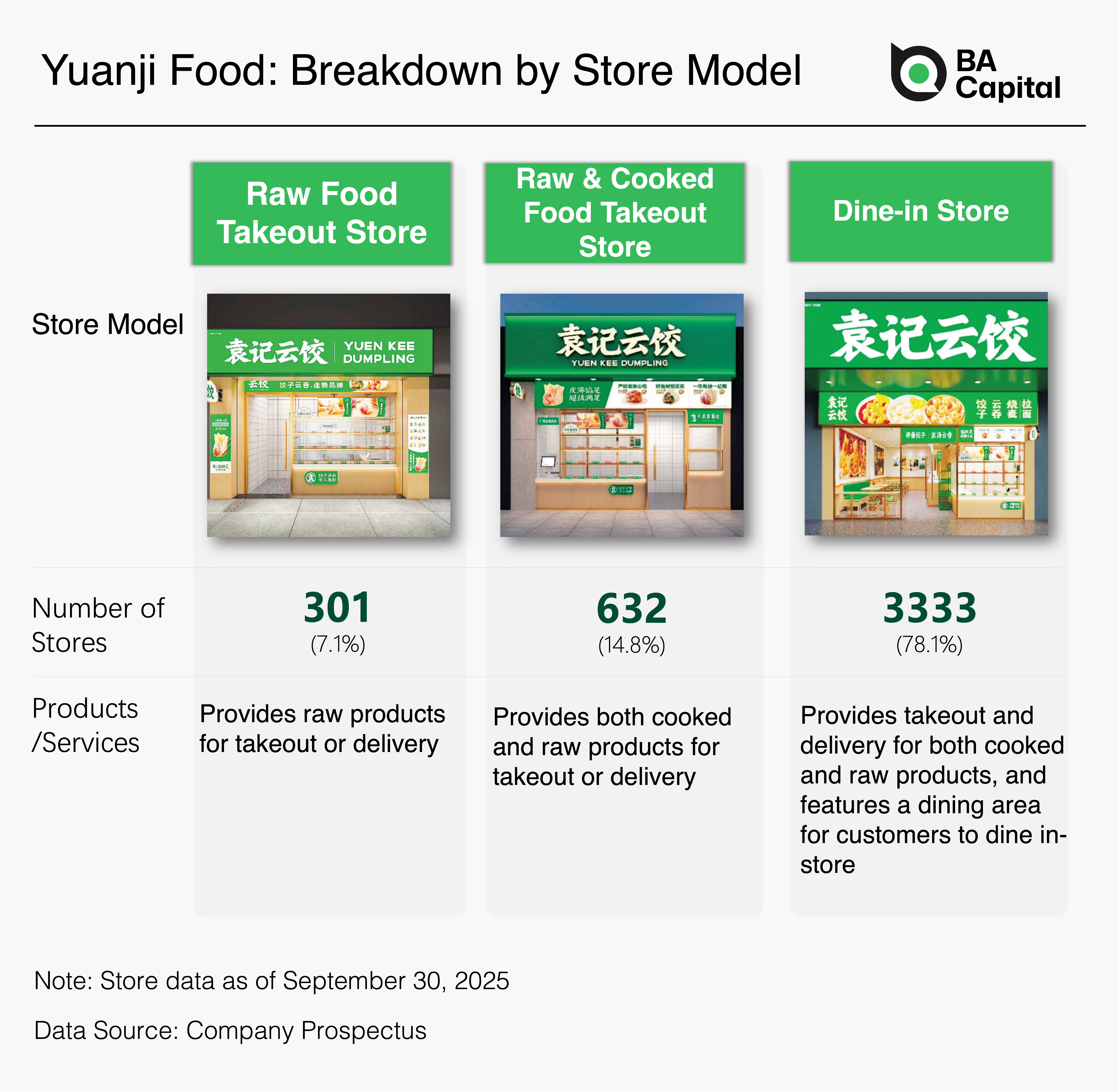
In 2017, the company introduced an integrated fresh-and-prepared store format, with diversified store types more effectively addressing "self-cooking scenarios with elderly and family customer bases" and "external dining and delivery scenarios with younger CBD community demographics." Today, Yuanji Food has developed three store formats.
- Supply: Efficiency Model and Engines of Scalability
On the supply side, Yuanji Food converts community demand into sustainable expansion momentum through optimized store models and cost structures.
Community model efficiency advantages. Community stores benefit from lower rental expenses, more flexible operating hours, and more stable surrounding customer bases, enabling superior unit economics. This model significantly reduces franchise partner operational pressure and investment risk.
The optimized unit model shortens franchise partner payback periods, enhancing the attractiveness and expansion vitality of Yuanji Food's franchise system.
Furthermore, standardization across product development, site selection, store design, and operations—combined with robust supply chain support—lowers the barriers and costs of opening community stores. This enables rapid replication across thousands of dispersed neighborhoods, fundamentally allowing Yuanji Food to shatter the historical scale limits of the dumpling and wonton category.
- Brand Value: Solutions Embedded in Daily Life
Yuanji Food's community stores are more than places to buy food; they are solutions woven into the fabric of daily life.
A Time-Saving Solution for Busy Households: Addressing China's long work hours and commutes, the "downstairs convenience" of fresh, hand-made meals provides dual-income families and young professionals with precious time savings. It presents a healthier, more convenient alternative that bridges the gap between takeout and home cooking.
Community Dining Infrastructure for an Aging Society: For the silver generation, who value quality food but face mobility challenges, the neighborhood store offers a trusted, accessible meal source. This allows the brand to embed itself organically into local support networks, fostering deep emotional ties and loyalty. Senior consumers have been a cornerstone of the brand since its 2012 founding in old Guangzhou.
Yuanji Food's community approach represents a comprehensive business design spanning demand insight, efficiency model, and value delivery. It precisely captures structural opportunities within social transition, translates these opportunities into network advantages through replicable, efficient unit models, and ultimately integrates itself into community ecosystems through "daily life solution" positioning.
However, the dispersed nature of community-based stores and fluctuating order densities impose far greater demands on cold-chain logistics—specifically regarding timeliness, cost control, and stability—than centralized mall-based models. Powerful supply chain capabilities form the foundation enabling community strategy scaled implementation.
Fresh Dumpling Globalization: Supply Chain Modernization in Foodservice
In chain restaurants, achieving the triad of great taste, fresh ingredients, and affordable price has long been considered an “impossible triangle.”
Yuanji Food’s rapid store expansion is fundamentally supported by a systematic supply chain. Globally, the breadth and depth of a QSR (Quick Service Restaurant) network are dictated by the maturity of its supply chain—just as McDonald’s global expansion relied on standardized freezing technology and a world-class logistics infrastructure.
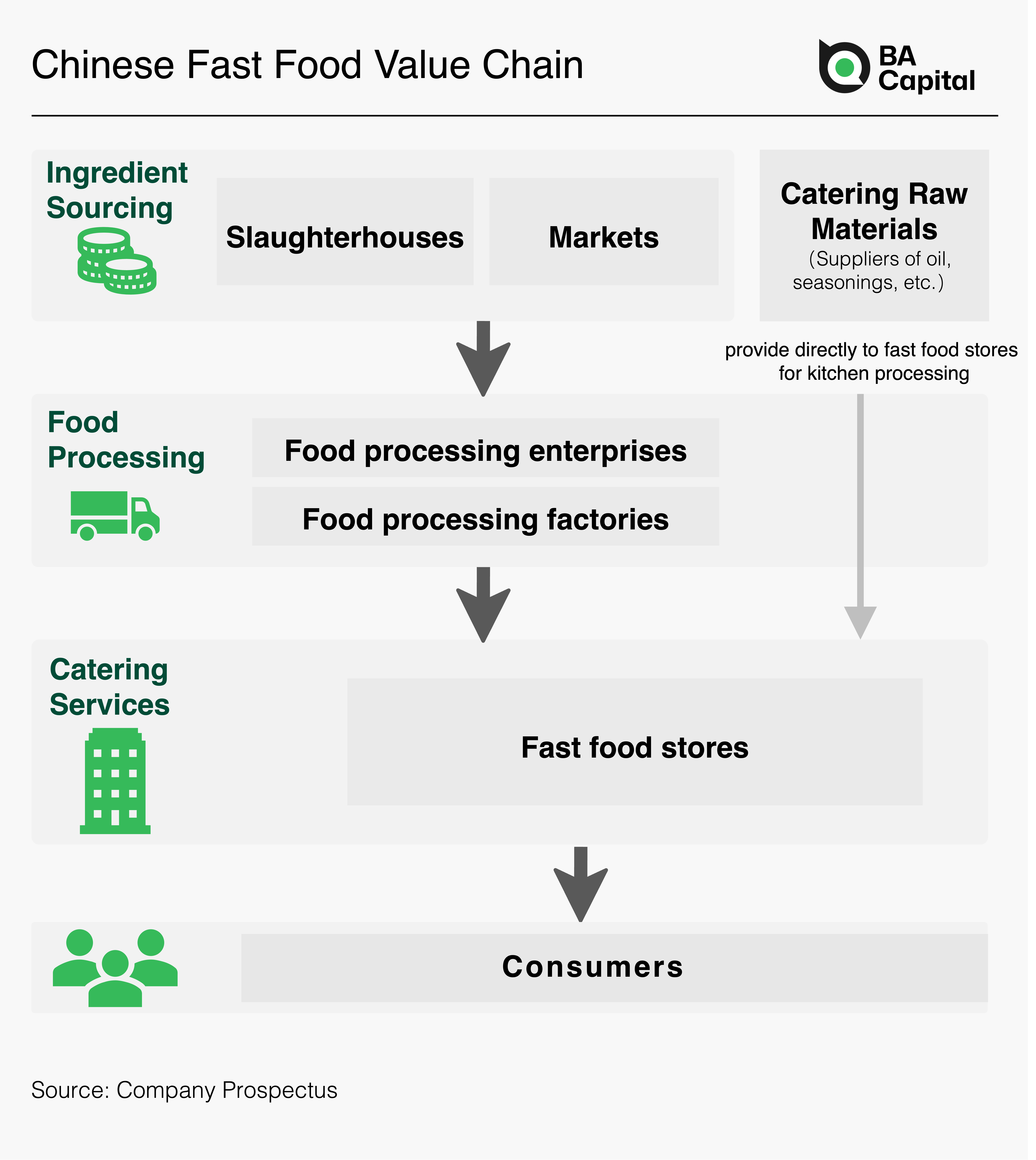
Yuanji Food’s ability to overcome regional barriers and operate over 4,000 stores globally—securing its position as the industry leader—stems from its construction of a sophisticated, end-to-end integrated supply chain that manages the entire lifecycle from sourcing to the final consumer.
- Concentrated Procurement: How Scale Drives Cost and Quality Advantages
Front-end centralized procurement is critical for rapid chain expansion and cost management.
Yuanji Food collaborates with top-tier suppliers across categories and makes strategic upstream investments to ensure stable supply of core raw materials while mitigating price volatility.
By maintaining long-term, stable relationships with top-tier suppliers, Yuanji Food ensures an uninterrupted supply chain. Throughout the track record period, the company has experienced zero material stockouts or significant shortages, ensuring its procurement ecosystem achieves seamless integration with standardized production processes.
- Cold-Chain Logistics Network: End-to-End Infrastructure Powering Supply Efficiency
Leveraging a strategic network of 24 nationwide warehouses, Yuanji Food provides high-frequency, punctual fulfillment to over 4,000 stores, facilitating multi-regional expansion and increasing store density. Yuanji Food distinguishes itself as one of the few leaders in the CQSR sector to employ full-spectrum cold-chain logistics—integrating central kitchens, warehousing, and last-mile distribution with real-time temperature-controlled visibility across the entire value chain.
Notably, as of September 30, 2025, over 86% of Yuanji Food stores are located within a 200-kilometer radius of a regional warehouse or forward distribution center. According to China Insights Consultancy (CIC), Yuanji Food achieved an inventory turnover cycle of 12.1 days in 2024, significantly outperforming the industry average of approximately 25 days. Furthermore, core ingredients are delivered to over 70% of the store network every two days, ensuring the rapid supply and optimal freshness of short-shelf-life products.
- Systematic Store Operations: Lifecycle Empowerment for Franchise Partners
As of September 30, 2025, Yuanji Food operated 4,247 franchise locations globally, representing 95% of total operating stores. The franchise partner base comprises 2,065 operators, with average stores per partner of 2.06—substantially exceeding industry benchmarks.
A robust store-level support framework is the critical catalyst for sustainable expansion and industry-leading retention rates in franchise systems.
Yuanji Food has implemented a rigorous franchisee vetting process, evaluating candidates on core values, operational expertise, and site selection quality to ensure alignment with brand standards and commercial viability.
Through a multi-tiered review, on-site inspections, and financial due diligence, the company only approves high-quality applicants who meet stringent personnel and location thresholds. This "quality over quantity" approach ensures consistent consumer experiences and long-term network stability, with no predetermined approval quotas.
Beyond selection, Yuanji Food provides comprehensive support across site selection, interior design, professional training, and daily operations. During the track record period, cumulative participation in the company’s online and offline training programs exceeded 30,000 trainee sessions among franchise partners and store staff.
- Digital Intelligence & Omnichannel Operations: Expanding Consumption Scenarios while Amplifying Product and Brand Equity
Yuanji Food has leveraged digitalization as core capability, constructing an efficient system spanning product innovation, customer operations, and channel growth.
Driving Product Innovation: Powered by digital R&D and integrated supply chain systems, the company has established an agile iteration mechanism. This supports a consistent mid-month launch cycle that sustains market excitement. During the track record period, Yuanji introduced over 200 new SKUs, maintaining peak category vitality.
Cultivating Customer Loyalty: By integrating multi-channel data via its proprietary CRM (Customer Relationship Management) system, Yuanji has perfected a closed-loop "Acquisition-Retention-Repurchase" framework. As of September 30, 2025, this system supported the refined management of over 35 million members, driving significant user stickiness with a quarterly repeat-purchase rate exceeding 30%.
Accelerating Channel Momentum: Digital infrastructure has directly translated into growth. Delivery services have become a core engine: as of September 30, 2025, delivery GMV reached RMB 2.14 billion (up 46.6% YoY), with its share of total GMV rising from 32.4% to 44.6%. Simultaneously, through platforms like JD.com, Taobao, and Douyin, the company has extended reach beyond immediate consumption scenarios.
Afterword
For a long time, Chinese quick-service dining has been constrained by culinary non-standardization and fragmented brand perception, hindering its ability to achieve global-scale expansion.
The true significance of Yuanji Food lies in its ability to preserve the core values of Chinese cuisine while achieving profound standardization across the entire value chain—from supply chain and production to store operations and brand identity. This transformation delivers a level of unwavering consistency and certainty to the end-consumer.
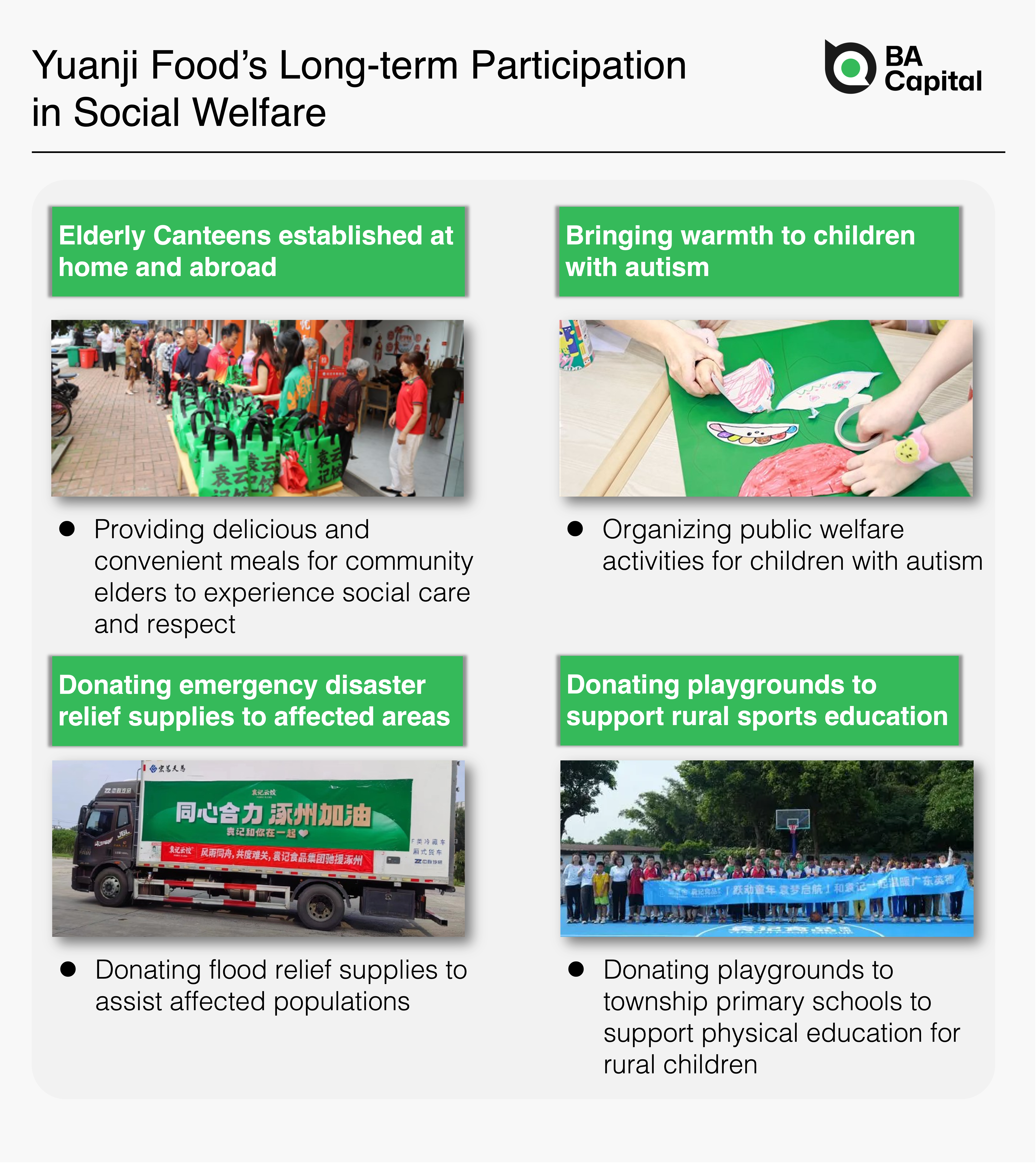
This capability has not only been proven domestically but also demonstrates significant potential in international markets. The efficiency gains pioneered by Yuanji Food ultimately translate into a commercially-oriented value with genuine human impact: it optimizes the daily dietary choices of millions while creating stable, sustainable employment at every stage of the journey.
In the global mission to bring Chinese dumpling culture to the world stage, Yuanji Food has already taken a definitive and visionary leap forward.