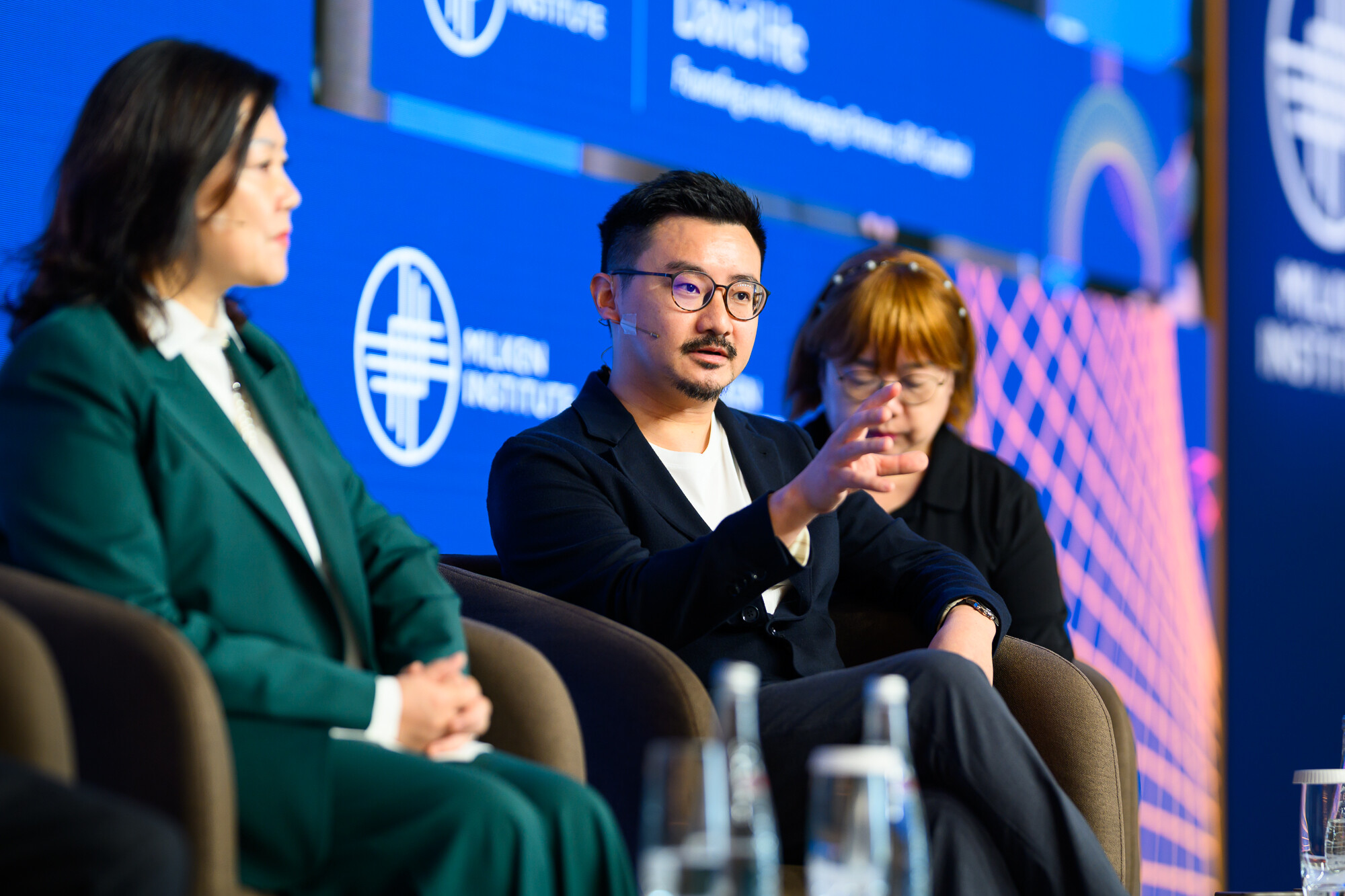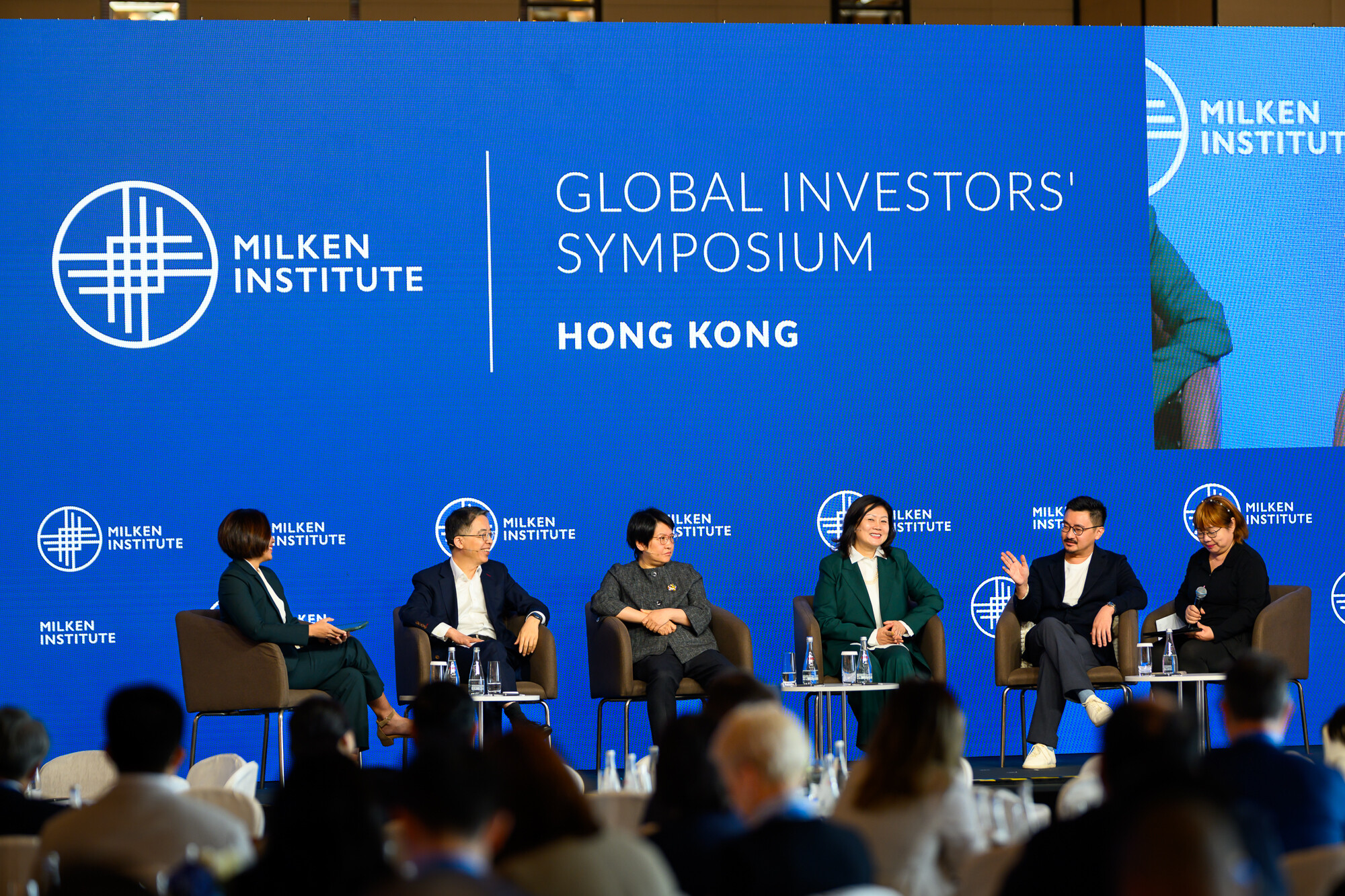

This is a transcript of David He, Managing Partner of BA Capital, speaking at the Milken Institute's Global Investors' Symposium in Hong Kong. He joined a panel discussion titled "What's Next for China: The Master Plan for the New Economic Phase."
Looking ahead to the next five years of China's economic development, David believes globalization will be a key theme. In his remarks, he highlighted several emerging trends in consumer demand: the rise of local premium brands fueled by cultural confidence, the shift from products to experiences, and the growing value of originality in an AI-driven marketing landscape. He also noted that a new wave of global interest in Chinese lifestyle habits is creating a favorable backdrop for Chinese brands going global.
Question:What are the compelling opportunities that you see in consumer demand?
David He: The overall consumption environment hasn't changed much since the pandemic, but there are some shifts in specific areas. One important trend is the rise of local premium and mid-to-high-end brands.
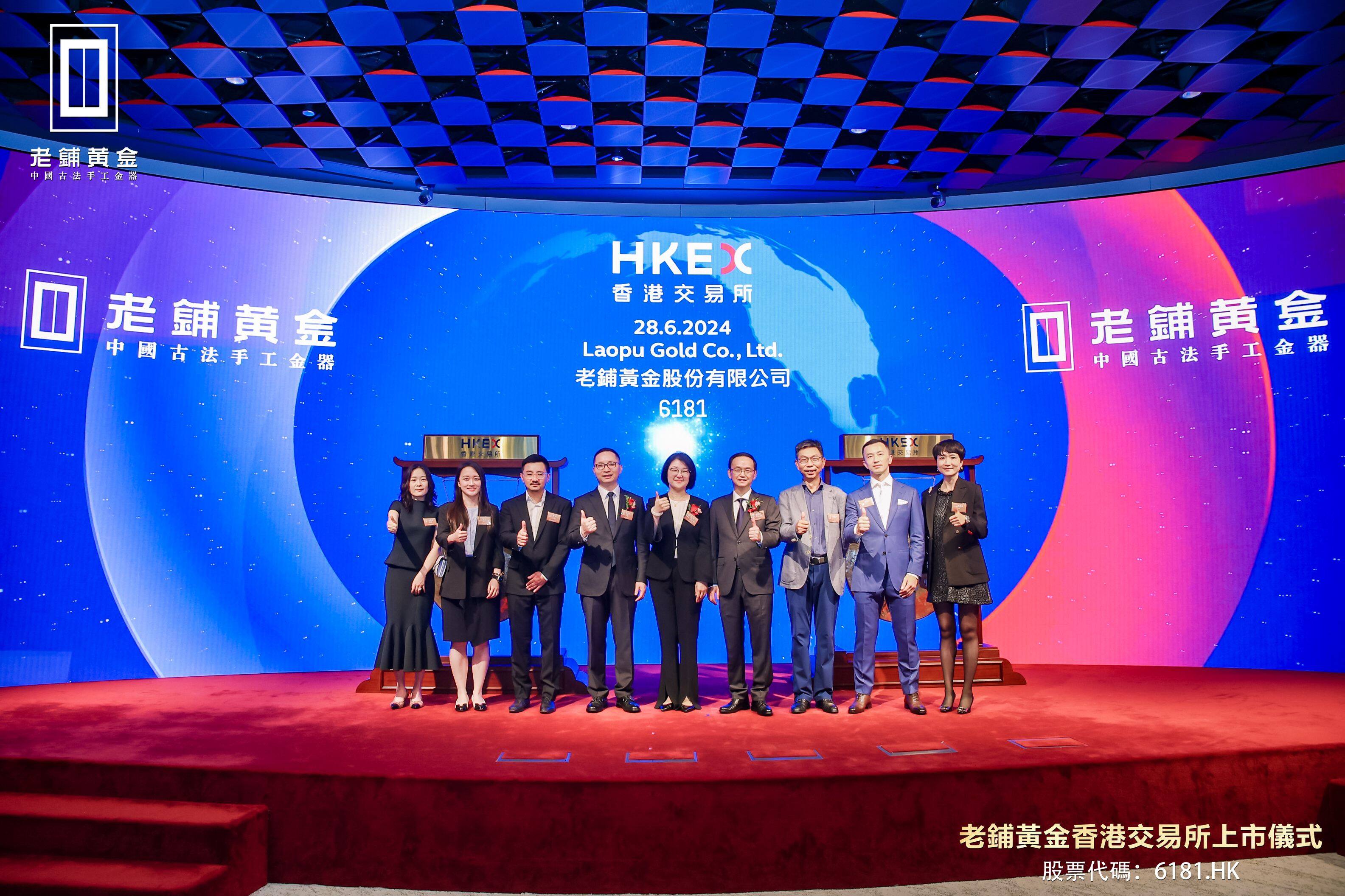
Last year, when the chairman of LVMH visited China, he visited two Chinese brands—one was Laopu Gold, and the other was Songmont. That was probably the first time the head of a global luxury group had done something like that.
Behind this, a key enabling factor is that domestic economic development has brought about cultural confidence, especially among the Chinese younger generation. This has created fertile ground for the growth of local premium brands like Laopu and Songmont.
The second factor is a shift toward independent thinking and self-expression among young people. For example, in the context of feminism, young Chinese women are increasingly willing to invest in themselves — whether it's in health, fitness, quality food, or topics like psychology, which has become a very popular field. On Xiaoyuzhou, which is the go-to podcast platform in China, the most popular category is women's personal growth. The opportunities that come with that are also something we're paying close attention to.
Question:How do you see changes in AI influencing consumer strategy at BA Capital?**
David He: One thing we've seen AI do in the consumer space — at least so far — is really play out in marketing.
Some companies are using AI to scrape viral articles, learn how they're structured, and then pump out tons of similar content for marketing. I think in the short term, it gives them an edge—it's definitely more efficient. But when you have this massive wave of content that all starts to feel the same, I actually think original, distinctive stuff becomes way more valuable and rare.
Question:Do you agree with the shift to service consumption? What does this mean for the next phase of growth?
David He: I definitely agree. Because there's a major shift happening in consumption—from products to experiences. If you look at recent data, retail-oriented companies and apparel brands without strong differentiation are seeing a sharp decline in sales.
On the other hand, outdoor brands are thriving, travel is doing well, and categories like IP, art, and pet-related products are all seeing strong growth.
Consumers are increasingly looking to fulfill their own experience-driven needs—whether it's personal growth or exploring the world.
Rednote is growing really well and taking up more and more of users' time. The kind of content it offers is all about better product quality and better experiences. I've heard that some major consumer companies are spending over a billion RMB a year on advertising on Rednote. That also reflects the shift we're seeing in consumers—from products to experiences.
Question:How should investors rethink China's consumer story in a more uncertain world?
David He: One thing we've seen over the past year is that on overseas social media, a lot of young people are talking about China and picking up Chinese lifestyle habits—like drinking hot water, eating goji berries, soaking their feet, things like that. On TikTok, there are two popular hashtags: #becomingchinese and #chineseface. Young people overseas see China as a safe, reliable place to live. "Chinese" has started to take on this meaning of something more laid-back, something more about living well.I think that also sets up a better backdrop for Chinese brands going global.