
Editor’s Note:
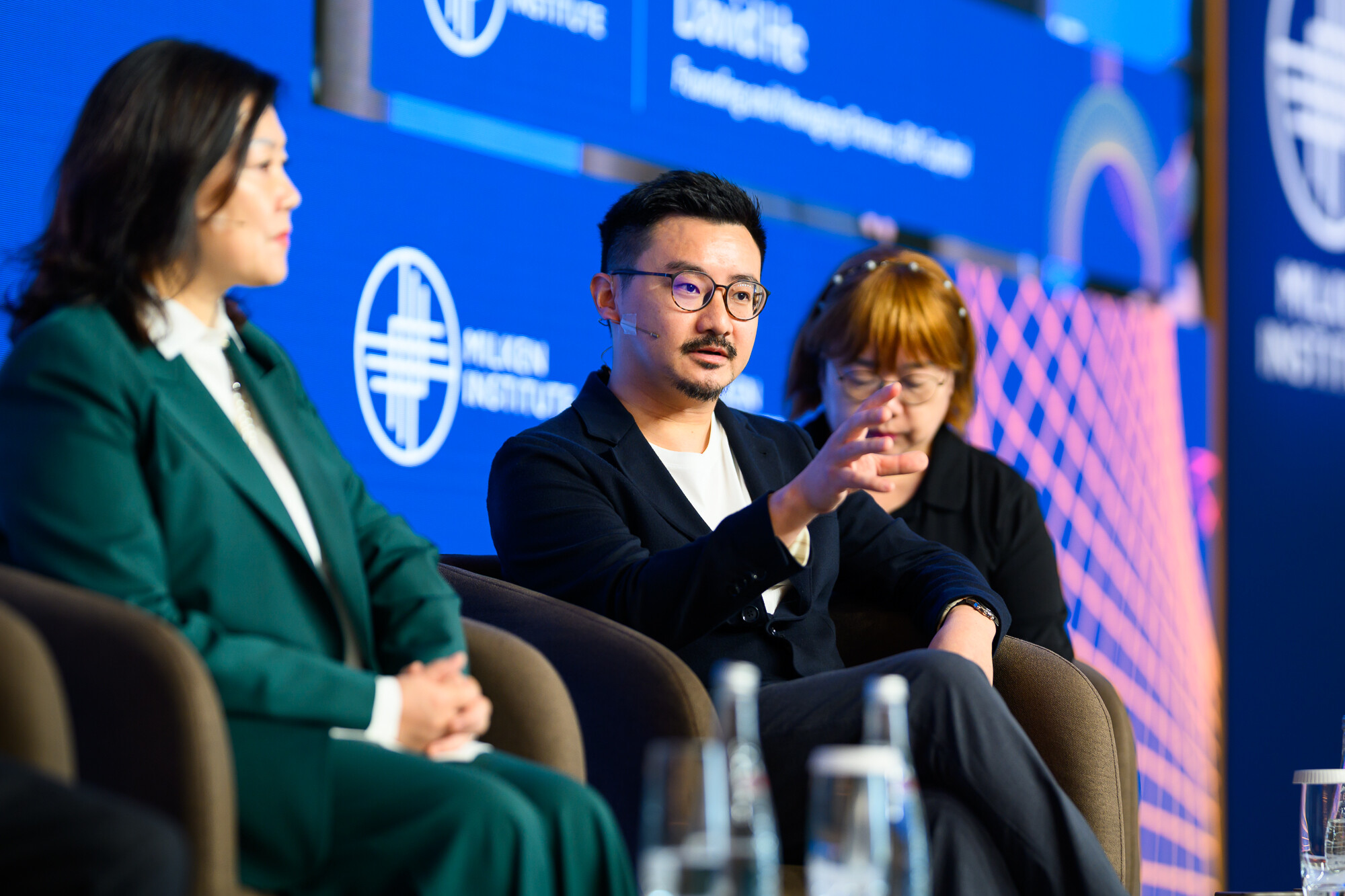
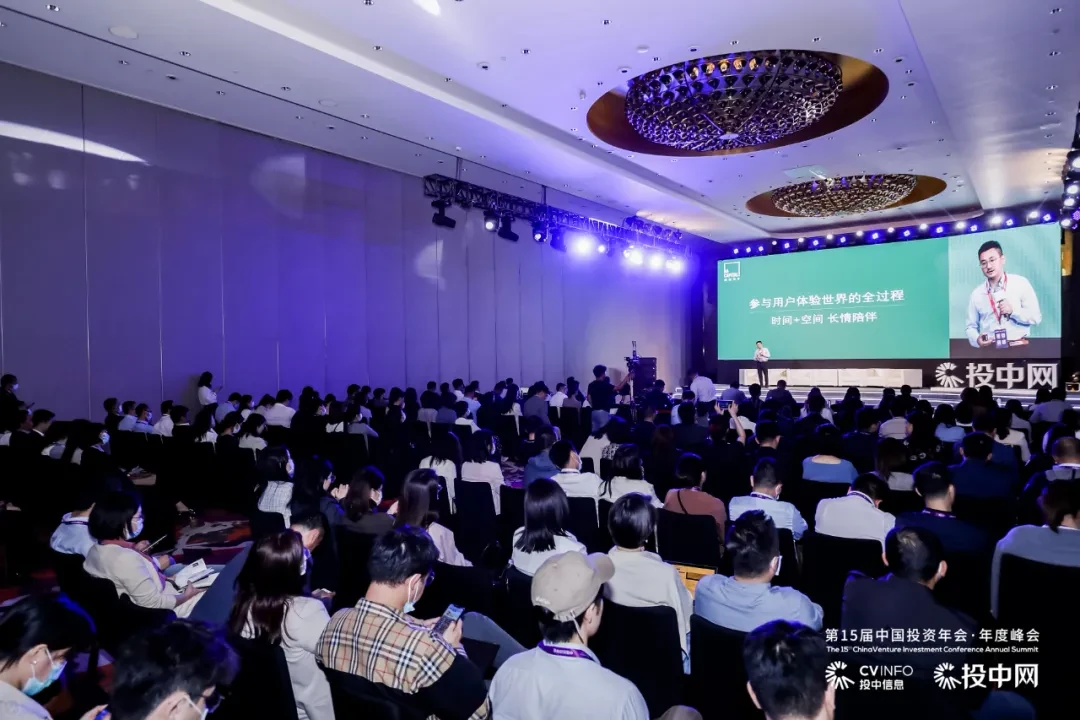
On May 13, 2021, at the 15th China Investment Annual Conference hosted by ChinaVenture, David He, Managing Partner of BA Capital, delivered a keynote speech titled “Mindful Consumption.” In retrospect, the insights shared in this speech remain highly relevant today and continue to offer valuable inspiration.
This article was originally published by ChinaVenture.
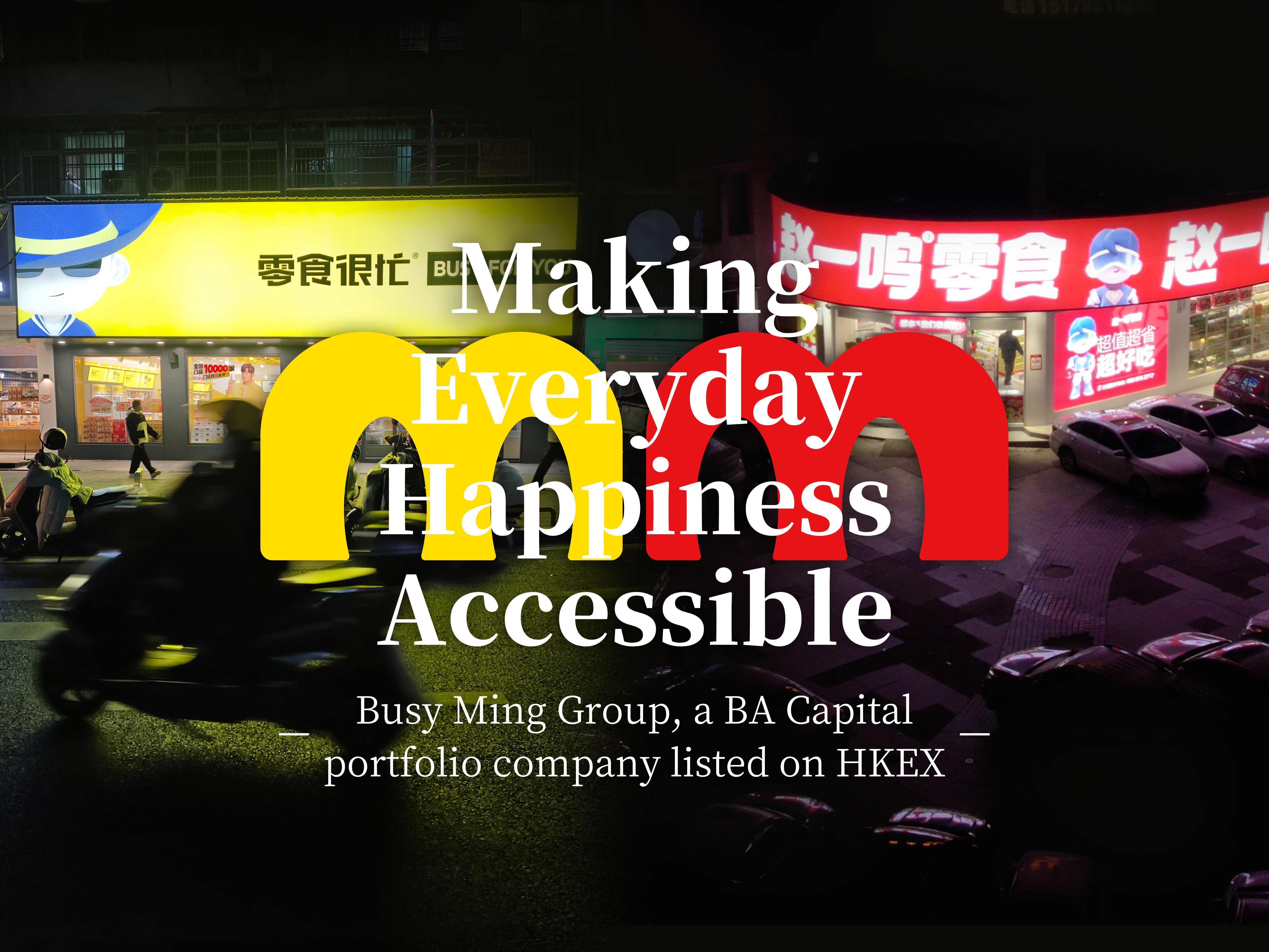
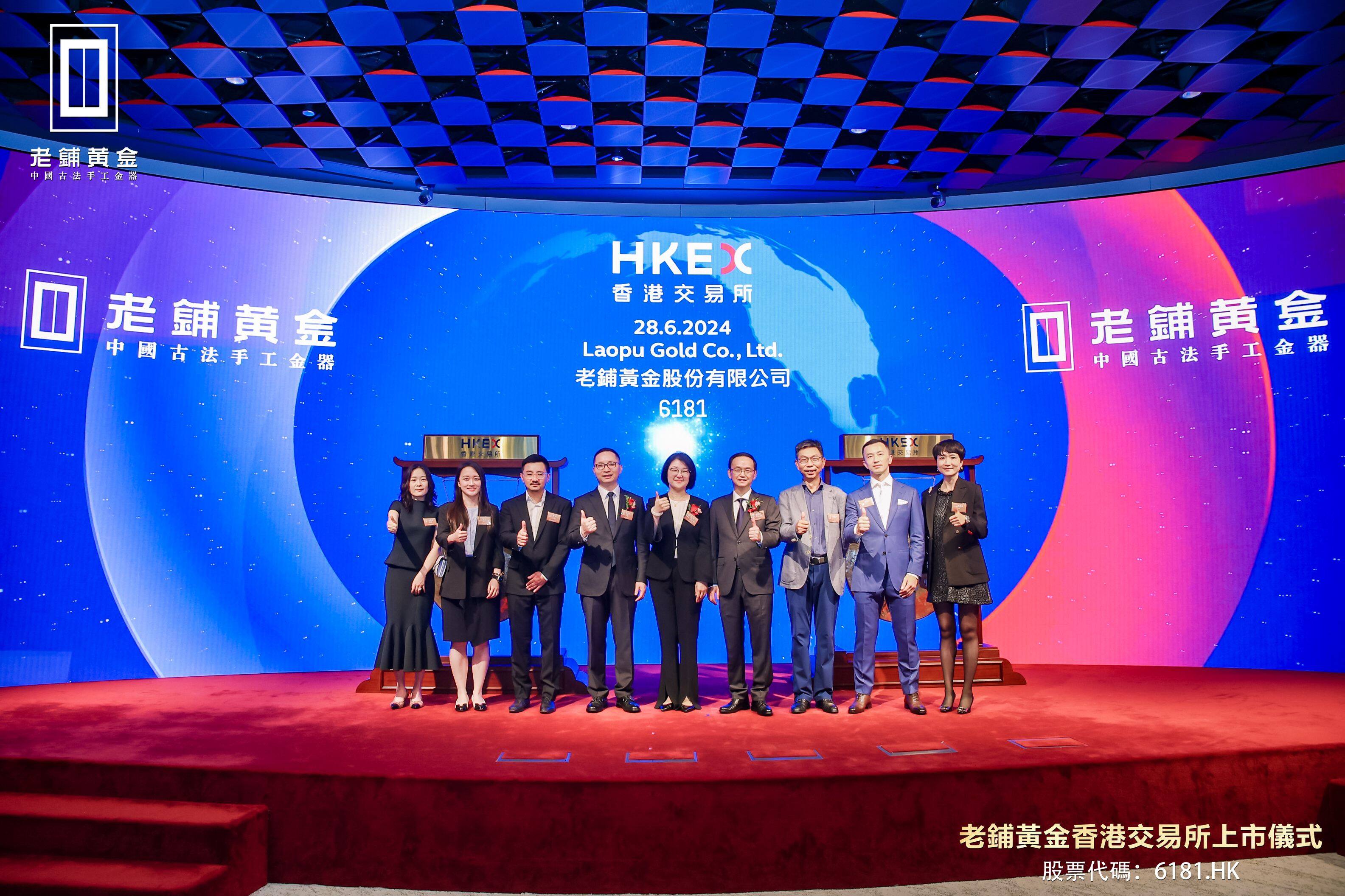
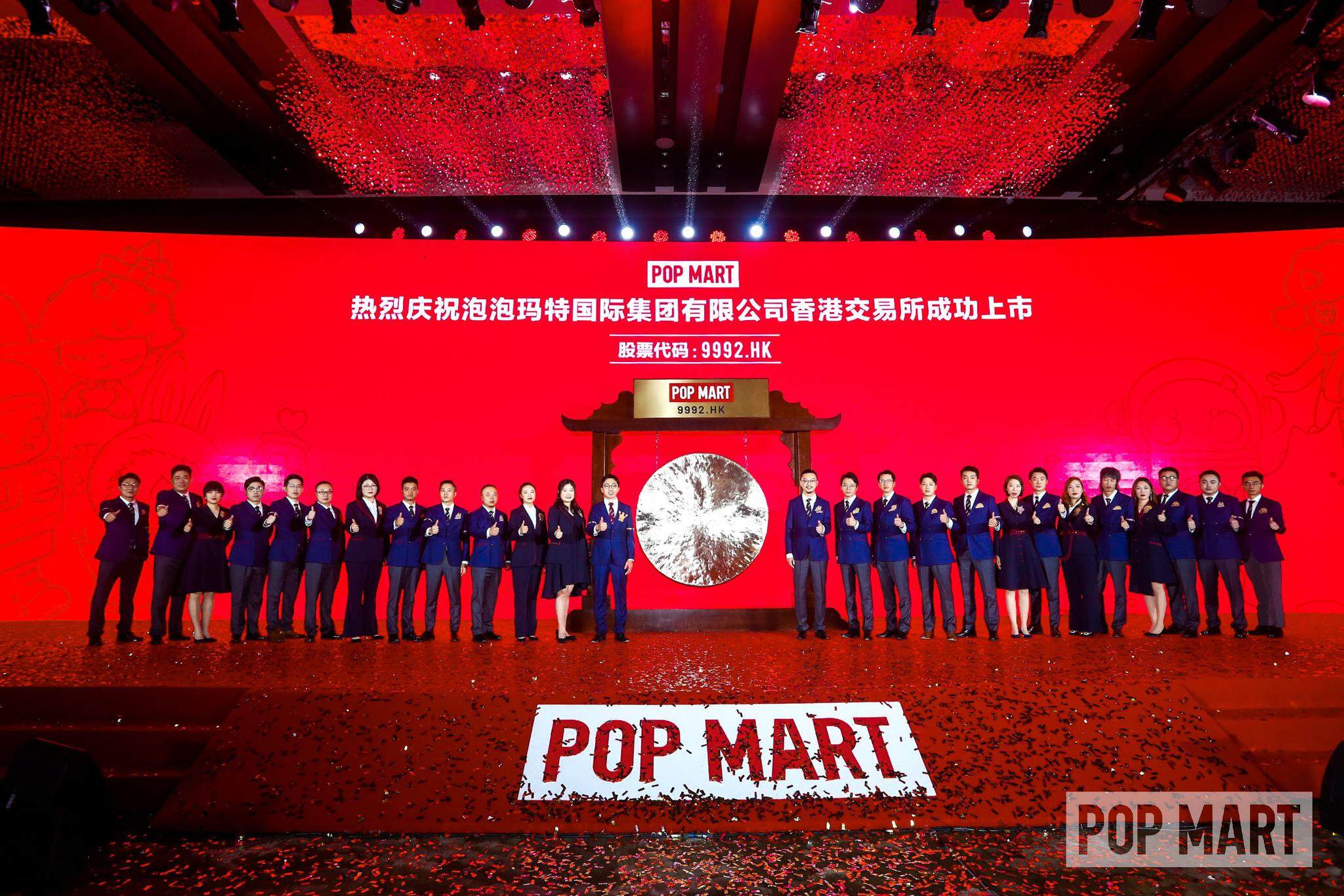
BA Capital has backed a group of representative new consumer companies in China, including POP MART, Laopu Gold, Busy Ming, HEYTEA, Chi Forest, Amos, and Softcare. Behind these investments lies a more fundamental question: how should they understand the role of consumption in people's lives?
BA Capital managing partner David He believes consumption is how people transform, influence, and experience the world. To understand consumption is therefore to understand both the world and the people living in it. As productivity advanced, so did the nature of what people wanted from the things they bought.
Before industrialization, consumption was largely about survival. The industrial age changed the material world through technology and scale. Standardization made brands possible. Consumption became, in many ways, mass-standardized living.
In the information age, wants began climbing Maslow's hierarchy. Consumers grew more autonomous, more varied, and more organized into distinct communities.
David believes this trajectory will only deepen: consumption will increasingly reflect how individuals choose to engage with the world. The challenge for consumer entrepreneurs is to help them do that more fully.
Brands once stood for trust. Today their work is different — and harder. The best brands help people express what they feel, access what they could not before, and find their footing in a world they are still learning to inhabit.
That requires something David calls mindfulness: a calm attentiveness to the small things in everyday life, combined with values genuinely oriented toward the user.
The following is adapted from his keynote speech, originally compiled by ChinaVenture, a leading Chinese venture capital and private equity research and media platform.
Consumption Is How People Engage with the World
Good afternoon. I am David He from BA Capital. We are an investment firm focused on the consumer sector. We have been investing in consumer entrepreneurship for five years, and we still find that building a genuine understanding of consumption is very difficult. There is still so much to learn. What I want to share today is some of our most basic thinking: What is consumption? What value and meaning does it actually have?
Here is how we think about the consumption. If you were to describe the world, you would start with people — and then with the objective world in which they live. That world includes nature, history, culture, cities, social relationships, and everything else around us. Since ancient times, people have always been trying to transform that world, to leave a mark on it, to experience it. Consumption, in that process, plays an important role — perhaps the most important one.
Understanding consumption is genuinely complex. People are complex: different income levels, different worldviews, different values. The world they live in is more complex still. As consumer investors, we need to accumulate a great deal of knowledge — a deep understanding of our environment, our society, the people we are trying to understand.
Maslow's hierarchy is a useful frame here. At the bottom are physiological and safety needs. As incomes rise, people begin to care about belonging, love, esteem. At the top sits self-actualization.
But there is a second dimension embedded in that pyramid: the lower the need, the more universal it is; the higher the need, the more individual. Esteem and self-actualization look very different from one person to the next. As societies grow wealthier, they become more diverse, more segmented, more layered — and that is exactly what we are seeing today.
Before industrialization, consumption in any modern sense barely existed. Aside from a small nobility, most people lived purely to survive. The Industrial Revolution changed that situation. I highly recommend The Rise and Fall of American Growth — it traces the hundred years from 1870 to 1970 through the transformation of American cities, transportation, sanitation, housing, and family structure. In those details you can see the back-and-forth between people and their material world, and the many different kinds of business that emerged along the way.
Brands could only exist once products became standardized — predictable in quality, form, and delivery. Without the industrial revolution, there are no brands. Roads and railways let goods reach consumers at scale; logistics made chain businesses possible.
Radio and television meant that, for the first time, manufacturers could describe their products vividly and diffuse brand content. The advertising industry followed, and with it the consumer goods companies we recognize today. From that moment, consumption is in our life.
But in the industrial era, brands, channels, and manufacturers largely determined the choices available to consumers, leaving individuals with relatively limited agency. More often, they lived within a system of consumption that shaped their identities, choices, and lifestyles. In that sense, industrial-era consumption was a form of mass-standardized living.
The information age changed the terms. For the first time, the entire consumption process — from insight to product development, marketing, and service — could become more personal, more precise, more responsive to consumer needs.
This aligned with rising incomes and increasingly segmented consumer communities. Today, people have stronger social needs — especially in first- and second-tier cities — as well as a growing need to be respected, recognized, and to realize themselves. What they wanted, and how specifically they wanted it, became the starting point. Human will could now be realized. Consumption became an extension of individual agency.
That is why we say consumption is how people engage with the world. And because we believe consumption is part of the world — that it will always be there — we have both the passion and the conviction to invest in it with a long horizon.
The Challenge Today: Helping Users Engage with the World Better
Users today have much greater agency. They have richer spiritual lives, stronger desires for self-expression and self-actualization.
Whether you are a brand or a retail channel, the question is the same: how do you act as a bridge? How do you help people engage with the world more fully?
The first thing that changes is brand value — and we believe it becomes more important, not less. As consumers grow more self-directed and more varied, the needs behind each purchase grow increasingly specific. As a result, people need clearer points of differentiation.
Brands are built on differentiation. That means spending on branded products will account for a growing share of total consumption going forward.
In the past, brand value was about trust — a stable expectation of product quality, product form, delivery reliability.
Today, we believe brand value goes far beyond trust. Brands now need to open doors that users could not open before: help them give form to feelings, enrich their sense of what life can be contain, and participate more fully in the world around them.
Consider how holiday occasions drive consumption. Mother's Day sales are extraordinary — but it is not just Mother's Day. All holidays pull consumer spending significantly, and the number of holidays people celebrate keeps growing, as does the number of people participating in each one.
Why? Because as societies develop, people need more occasions to express what they feel. Holidays provide a recurring, ritualized structure for that expression — planned, meaningful, repeatable. The means of expression is, often, a brand.
What this points to is that tomorrow's brands will help users define what their lives mean and what the world looks like to them. The best products and services will genuinely take care of users' needs. We find the words 'help' and 'take care of' unusually precise here. The role of a brand, seen from the user's point of view, is to support, assist, and attend to what users actually need.
This also calls for a broader framework for understanding consumer companies.
Brands Participate in the Full Arc of How Users Experience the World
In the past, when we talked about a brand, we mostly talked about functional value. But users today do not consume products purely for their function. Consumption has become an experiential process — one shaped by users' values and their view of what life is for. That process has grown longer and wider, with more touchpoints and more stages.
The requirements placed on brands have changed accordingly. If users need ritual, provide ritual. If users need to share, give them something worth sharing and make sharing easy. A brand could be both product and emotional register or both service and content. That is very different from before.
Time itself is part of the value users derive from a product or service. Traditional retail metrics never measure this dimension, but it is real: if a user willingly spends time with a product or in a store, they are engaged. If they were not, they would have left.
What brands and retailers provide is no longer bounded by the product itself. It has become more composite, more rooted in interior needs — needs that are moving steadily up Maslow's pyramid.
Brands as Companions Across Time and Space
The most irreplaceable things in anyone's life are time and space. Where a person spends their time, and what fills it, matters deeply to them. People also form genuine attachments to the spaces they inhabit — emotional dependencies, habits, a sense of home. Time and space have always been important to consumers; we suspect they will become even more so.
In the past, we rarely measured brand value along these dimensions. But time and space may become so important that they constitute a brand's real moat.
Coffee is a good illustration.
Coffee carries with it different psychological needs, different expressions of identity and feeling, depending on the context. That is why this category is fundamentally different from most others — its capacity to accompany people through their experience of the world is different, and so its value to them is different.
We consider it a high-potential category not because of its functional benefit — the caffeine — but because it shows up across so many moments of a person's day. It is on the desk during the morning's work. It is in hand during travel. It appears in bookstores, hotels, conversations.
In other words, coffee is present in an extraordinary range of life situations. It carries different psychological needs, forms of identity expression, and emotional meanings across the course of a user's day.
This makes it fundamentally different from many other categories. Its capacity to help users experience the world, express themselves, and participate in everyday life is unique. As a result, the value it creates for users is different as well.
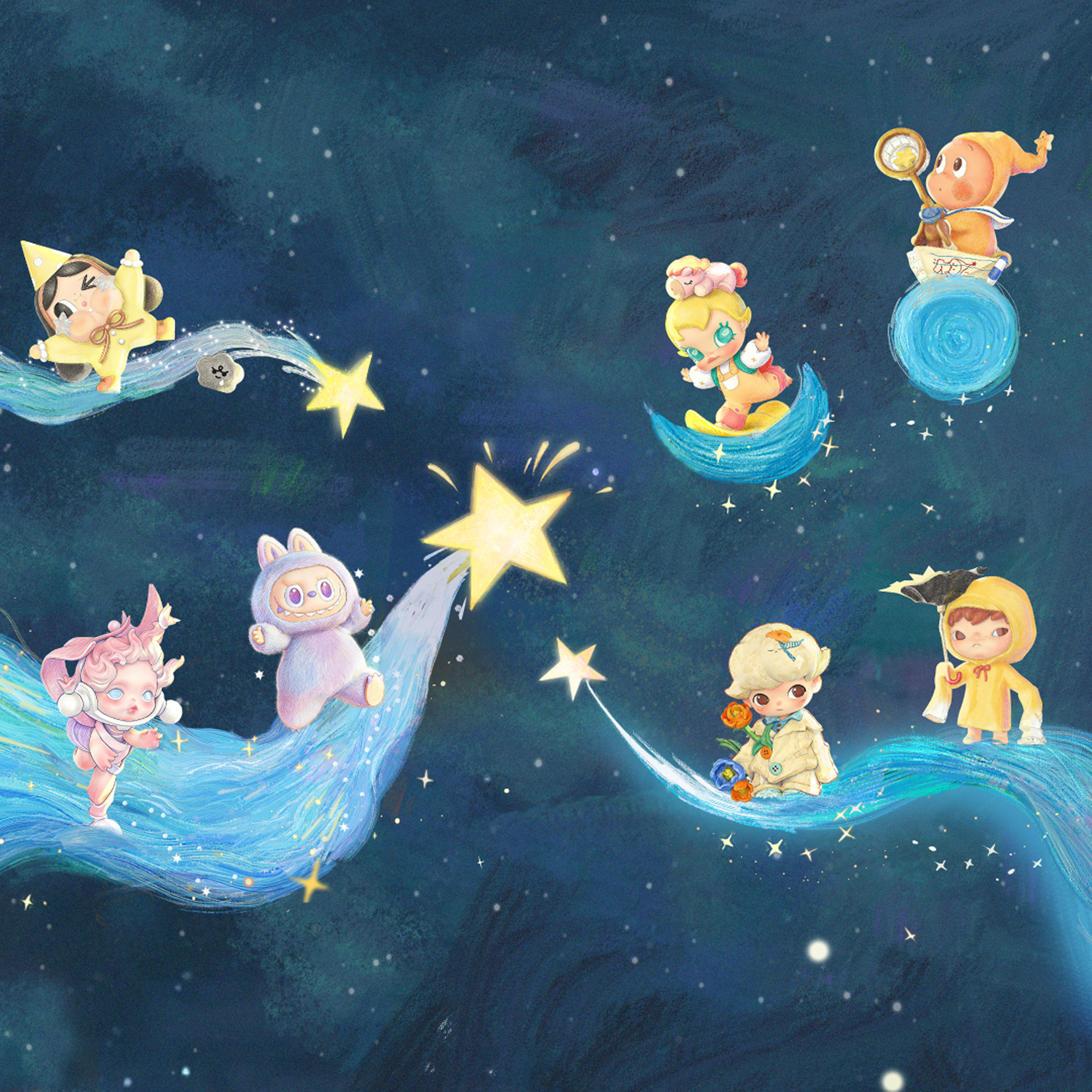
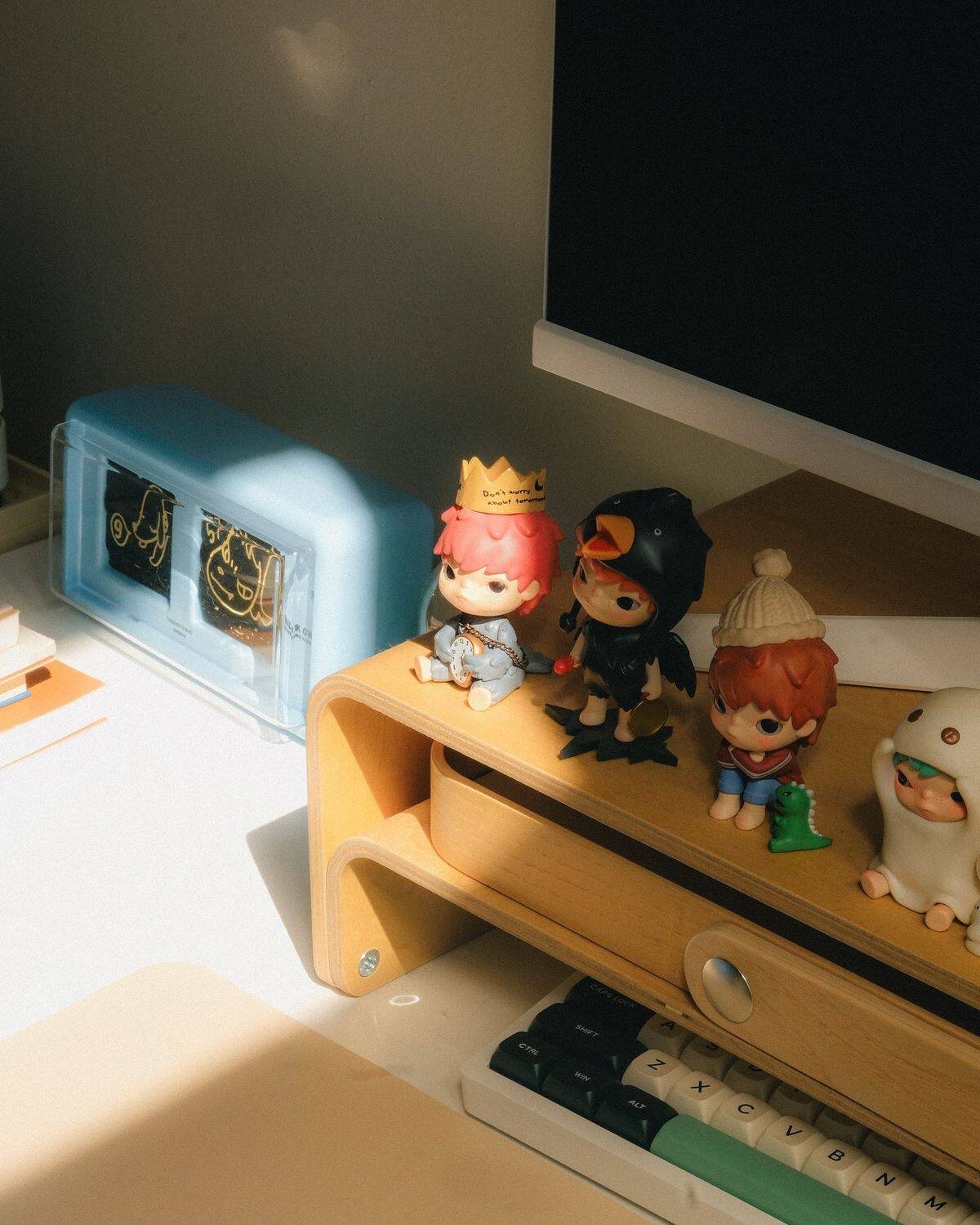
Take POP MART as an example. Most people who buy collectible figures place them on their desks. A desk belongs to work time and the work environment, which gives the figure a unique role in the user’s daily life. You cannot keep a dog under your desk, and you cannot scroll through short videos all day in an open office. But a figure can remain there, quietly taking up a meaningful share of the user’s attention. Over time, users project emotion onto these figures. Their attachment to the IP is not created by the brand alone, but through an ongoing process of co-creation with users. This is exactly why time and space matter so much for the brands of the future.
Mindfulness
Because consumption is how people engage with the world, we believe good brands need something like mindfulness — toward the world and toward users.
In the consumer context, mindfulness has two layers.
The first is the founding intention: a genuinely positive set of values. In the relationship with users, a brand should attend to their needs, help them make sense of their lives and their world. Only from that orientation can a brand actually create value.
The second layer is a quiet attentiveness — the capacity to perceive. Consumption is made up of small things in everyday life. To care about those small things with real passion, focus, and patience is what allows a brand to participate in the process through which users actually experience the world.
In recent years, many outstanding founders have entered the space, and they have brought us new ways of seeing — we have learned a great deal from them.
The logic for investors is the same as for founders. An investment firm should also be willing to play the role of helper — patient, attentive, there for the long run. Only with that kind of companionship, and that quality of quiet observation, can investors create real value for the people they back.