
Editor’s Note:
Based on our two rounds of field research conducted over four years, including consumer interviews and surveys across hundreds of county markets, this series explores how urbanization and population mobility, rising incomes, and infrastructure development are reshaping China’s county consumer landscape.
Why study county markets? Understanding consumer growth beyond major cities
Some of the world’s most influential consumer companies were built by recognizing opportunities beyond major cities.
For decades, many successful consumer business did not emerge solely from the largest urban centers. Instead, they grew alongside broader structural changes: the formation of new population clusters, rising household incomes, and improvements in transportation infrastructure.
Walmart is one of the most representative examples. When Sam Walton opened the first Walmart store in Rogers, Arkansas, in 1962, the town had a population of only around 5,700 people. At a time when many retailers focused primarily on major cities, Walmart recognized a different opportunity: serving consumers in small towns and regional communities that were experiencing economic development and changing consumption needs.
By offering a broader product selection, competitive prices, and convenient access, Walmart built a retail network that expanded across smaller cities and communities. By 1980, the company had grown to 276 stores with annual sales of US$1.248 billion, with much of its growth coming from markets that many competitors had considered too small to prioritize.
A similar pattern can be seen in the expansion of McDonald’s in the United States. In the post-war era, suburbanization, rising car ownership, and highway development reshaped population distribution and consumption patterns. McDonald’s grew alongside these shifts, expanding into suburban communities where standardized, convenient dining matched the needs of increasingly mobile families.
These examples reveal a broader principle: consumer opportunities emerge when structural conditions change. The key is not simply the size of a market, but whether a region has developed the foundations needed for new consumption patterns.
When urbanization and population mobility, rising incomes, and infrastructure development come together, new consumer markets can emerge. Companies that recognize these shifts early often gain significant growth opportunities.
This pattern can be observed across different markets. Regional markets may differ from major metropolitan areas in structure and characteristics, but collectively they can represent a substantial consumer base and become important engines of growth.
China’s county markets represent a distinct administrative structure, but illustrate the same underlying opportunity: the emergence of sizable regional consumer markets beyond traditional urban centers.
Defining China’s County Markets
For many international readers, county markets are a relatively unfamiliar concept.
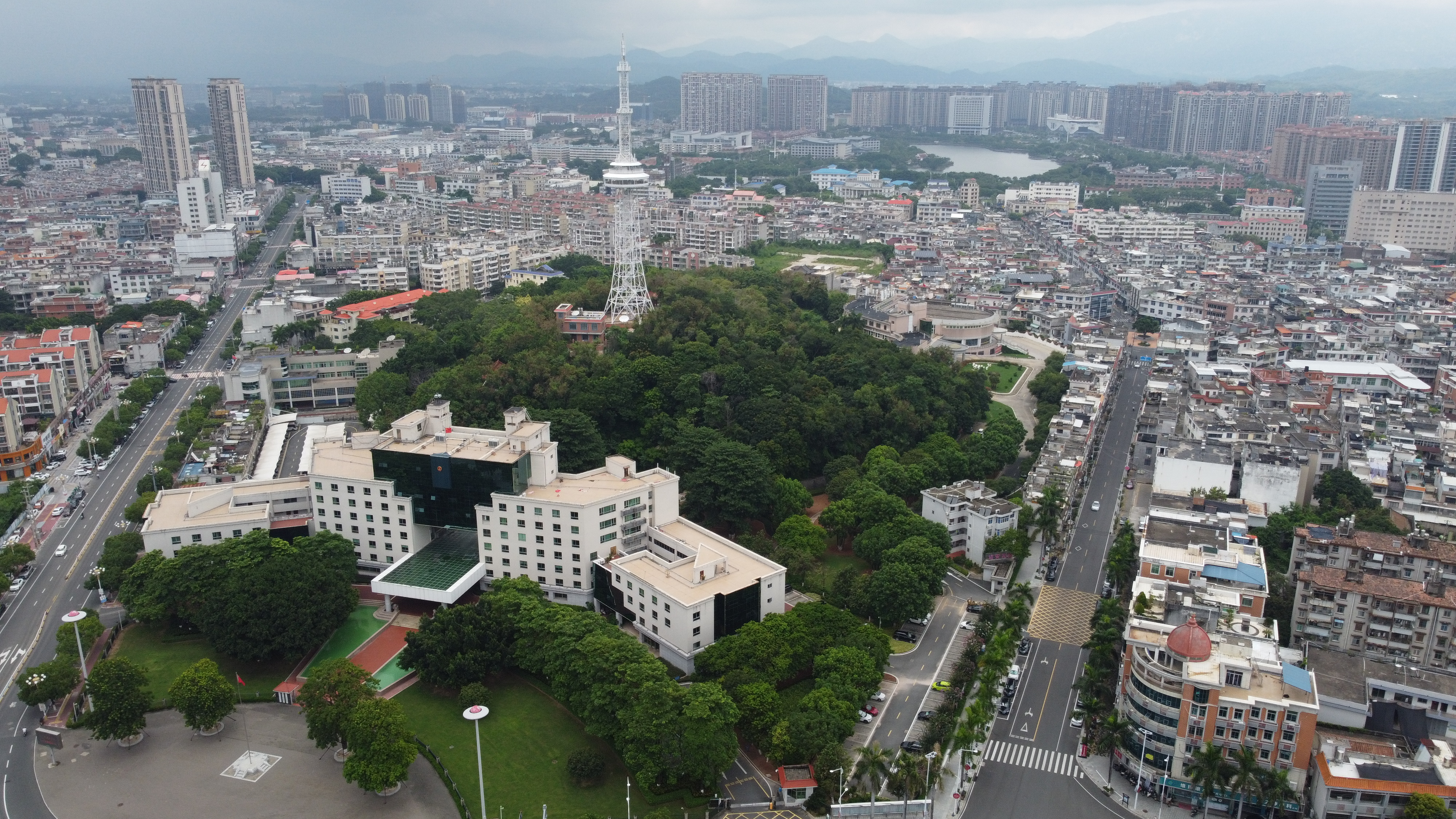
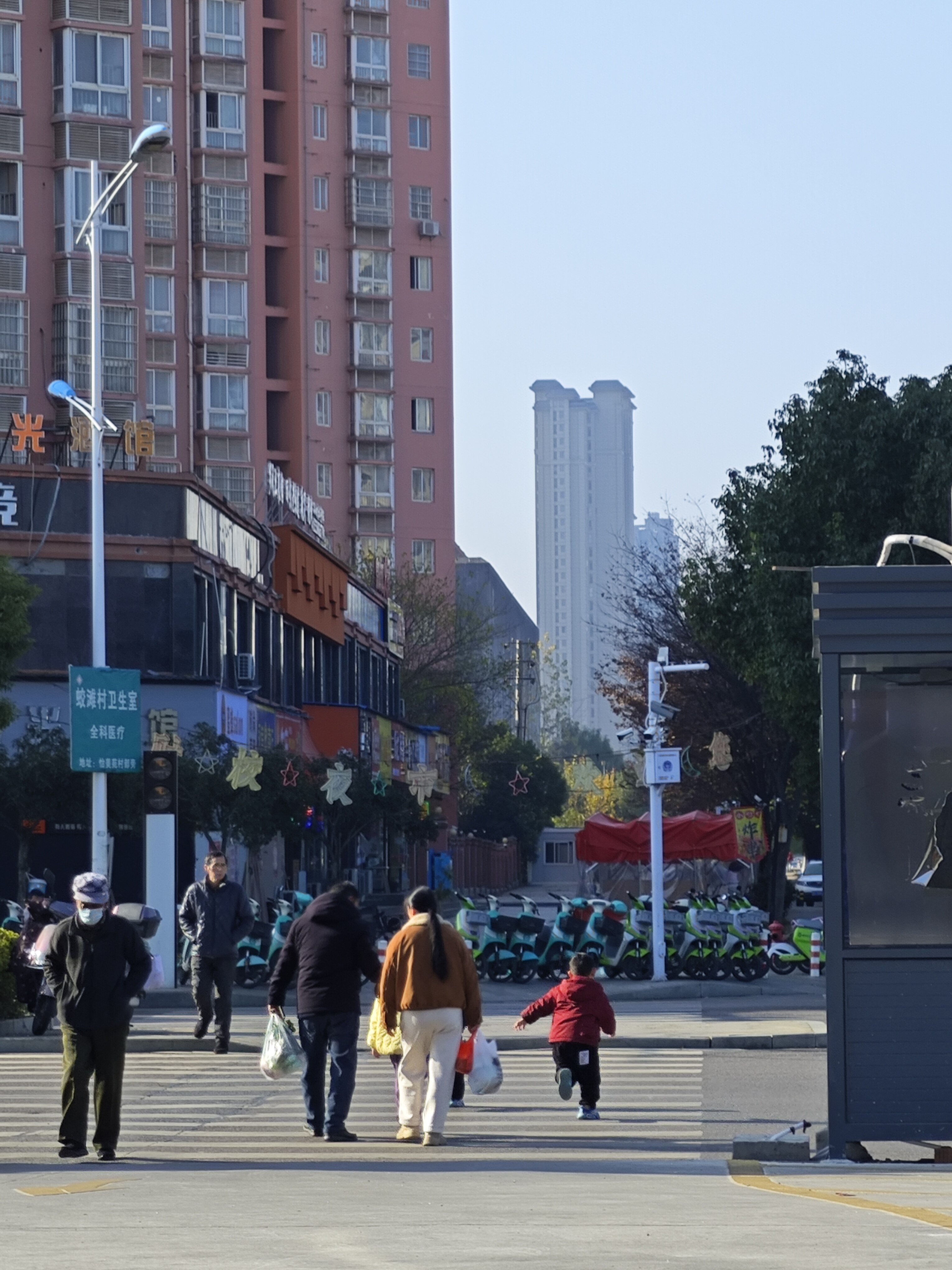
In China, county markets are not synonymous with rural areas. Rather, they refer to the regional consumer markets built around county-level jurisdictions—including counties, county-level cities, and autonomous counties—which form an important layer of China's urban system.
Today, China has more than 1,800 county-level jurisdictions. Together, they are home to approximately 450 million permanent residents and generate around RMB 33 trillion in annual economic output—roughly one-third of China's urban and town population and one-third of the country's economy.
In other words, county markets are not simply "lower-tier markets." Collectively, they represent one of China's largest mass consumer markets and serve as one of the country's most important economic foundations.
Yet compared with prefecture-level cities and major metropolitan areas, county markets have historically had far fewer modern retail resources.
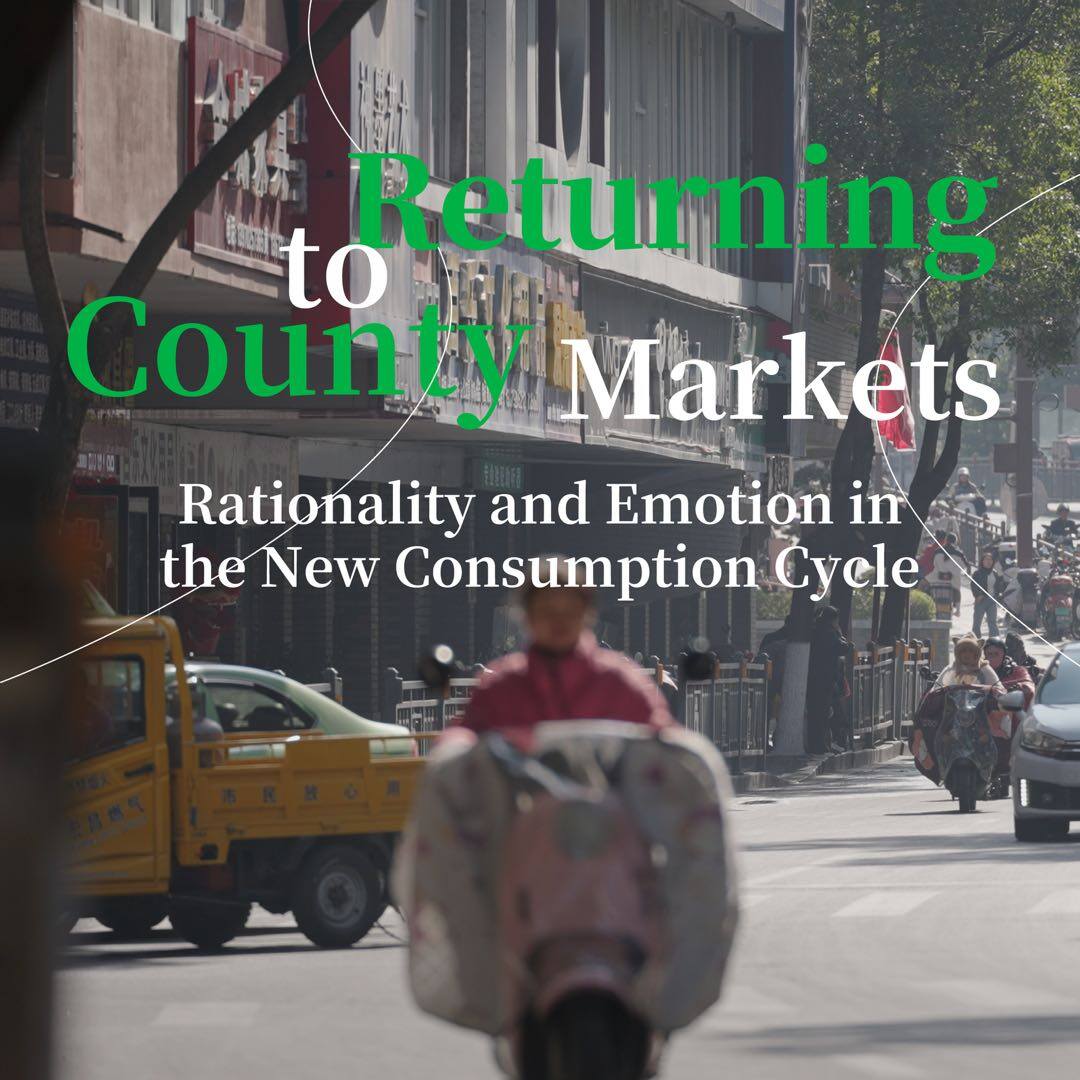
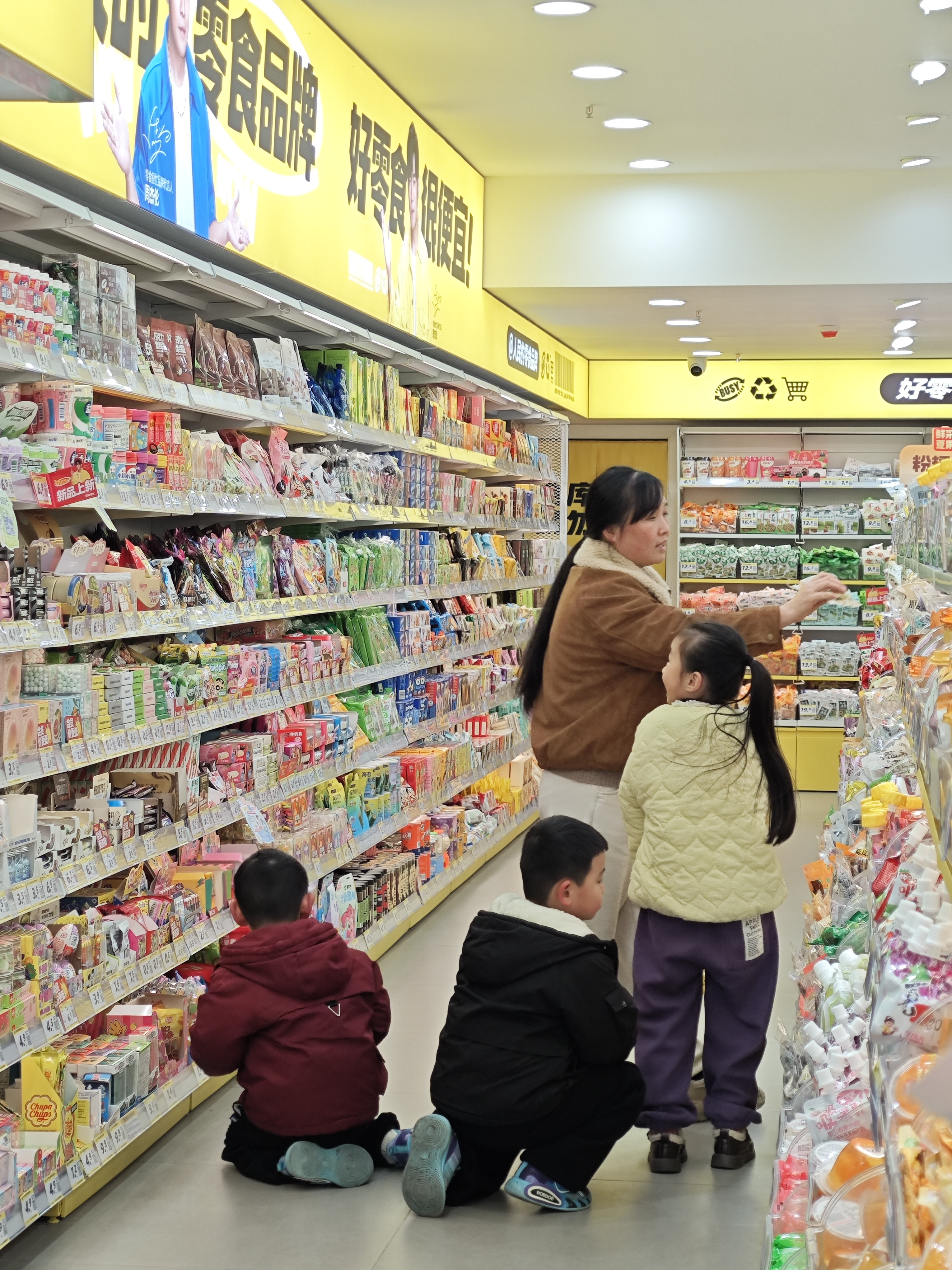
A typical county commercial street, often walkable within fifteen minutes, accommodates most of the town's retail activity—from shopping centers and supermarkets to lifestyle stores, beverage chains, restaurants, and pharmacies. Rather than supporting multiple competing malls or supermarket chains, many counties rely on only one or two major commercial centers to serve the entire local market.
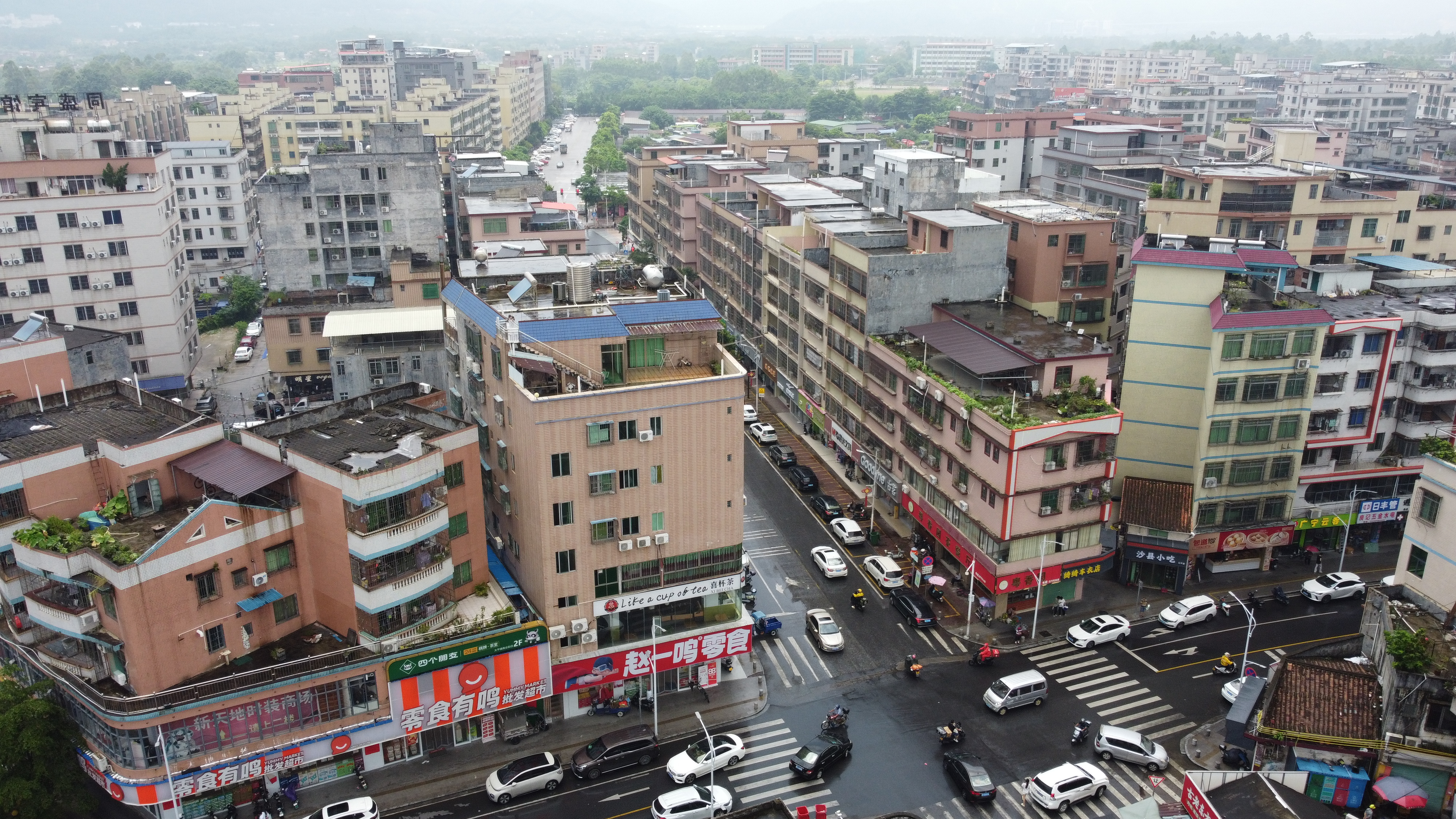
Over the past decade, however, county markets have changed rapidly. Behind the emergence of new retail formats lies a set of broader structural forces.
The first is urbanization.
Unlike the early stage of urbanization, which was characterized by rapid migration toward major cities, the next phase has also strengthened county-level urban centers. As rural residents move to county seats and surrounding towns, while improved transportation connects them with larger cities, county markets have become increasingly important regional hubs for population and consumption.
The second is infrastructure development.
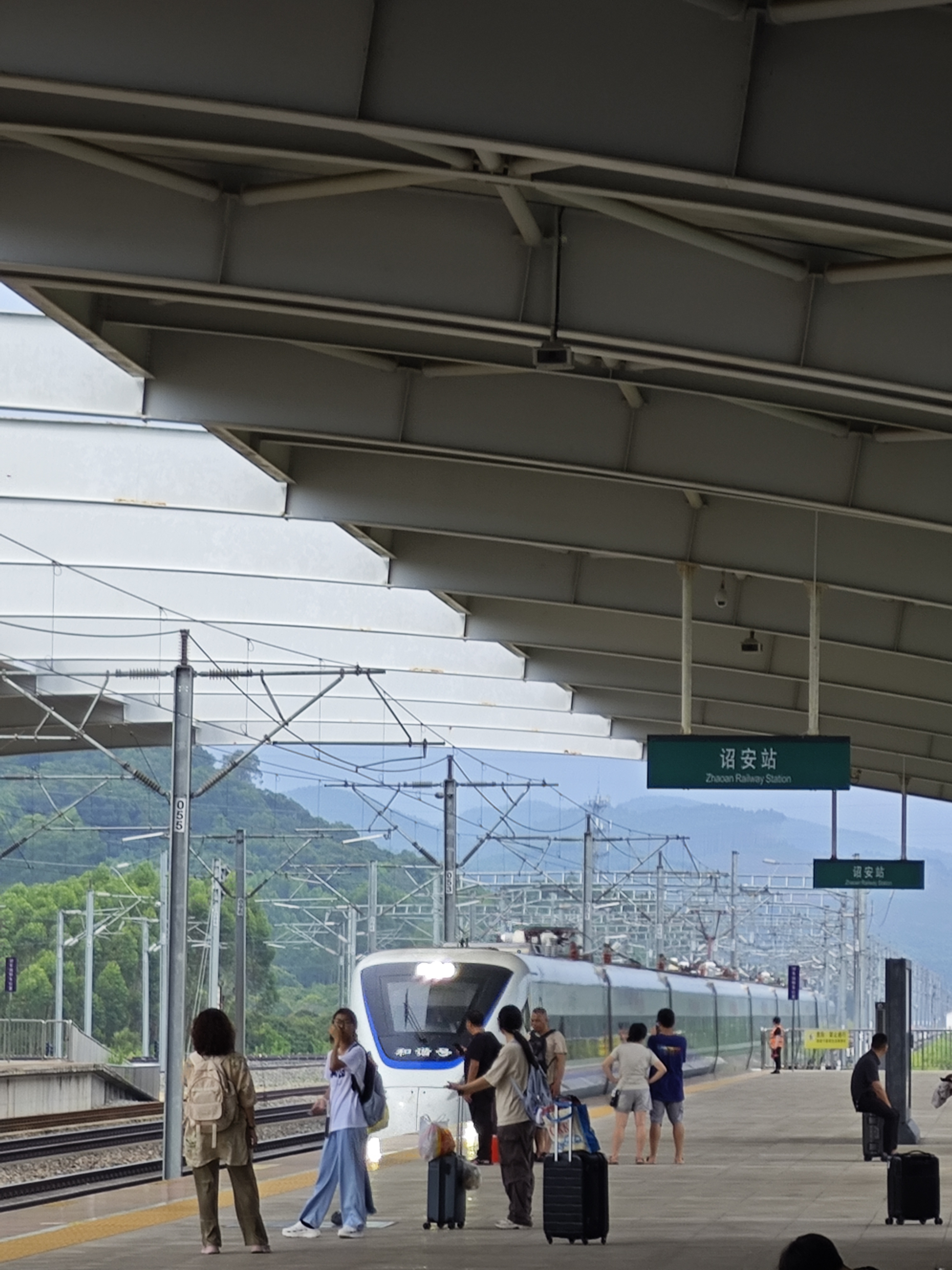
Massive investment in highways, high-speed rail, logistics networks, and digital infrastructure has dramatically improved connectivity. Today, railways reach more than 80% of China's counties, while expressways connect nearly every county in many provinces. Delivery times that once took several days can now often be reduced to next-day service, and cold-chain logistics continue to expand.
These improvements have fundamentally changed where people choose to live and how they consume.
Living in a county no longer means giving up access to larger cities. Many people now commute between county towns and nearby cities for work, while others choose counties as their primary place of residence because improved transportation allows them to access employment, education, healthcare, and leisure activities more conveniently. At the same time, rural residents continue to move into county towns, further concentrating population and consumption.
As a result, county markets are becoming denser consumer markets rather than simply larger ones. Urbanization and population mobility, rising incomes, and better infrastructure have together created the conditions for modern consumer businesses to scale. This is why many of China's fastest-growing retail and food service chains have found some of their greatest opportunities in county markets over the past decade.
Returning to the field: understanding county markets over time
Our understanding of county markets is built on two rounds of field research conducted in 2021–2022 and 2025. In our initial study, we visited 10 counties, conducted in-depth interviews with local residents, and collected more than 1,600 survey responses across 495 county markets. In 2025, we returned to selected research sites, revisiting previous interviewees while adding new perspectives from township residents. We also conducted a new quantitative survey of 1,000 respondents, including a 30% sample from township areas, to compare consumption patterns between county towns and townships and better understand the diversity within county-level markets.
Our first study aimed to move beyond the broad concept of “lower-tier markets” and understand the real lives, values, and consumption behaviors of county residents. This time, by returning to the field after three years, we sought to understand how county and township consumers have responded to economic and social changes—what has changed, what has remained, and how population movement, digital connectivity, and changing lifestyles are reshaping county markets.
To explore the full findings and insights, please visit our website to access the complete report.